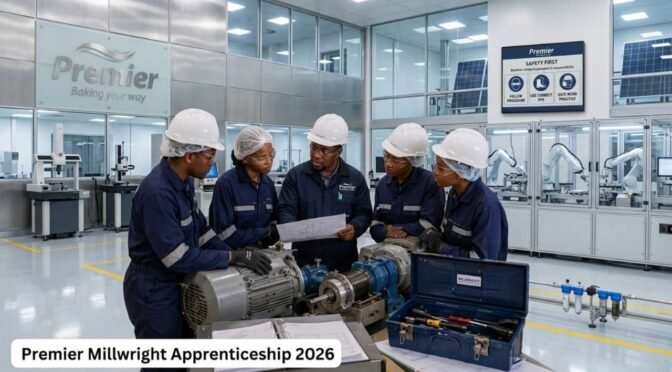
Qualified Millwright artisans looking to advance their careers in South Africa’s manufacturing industry have an excellent opportunity to gain valuable workplace experience through the Premier Millwright Apprenticeship Programme in Bethlehem, Free State. The programme is designed for trade-tested Millwrights who want to expand their knowledge of industrial maintenance, electrical systems, mechanical repairs, and production equipment within a leading Fast-Moving Consumer Goods (FMCG) company.
Working in a modern manufacturing environment provides artisans with practical exposure to high-speed production machinery while developing technical skills that are highly sought after across multiple industries.
Programme Overview
| Details | Information |
|---|---|
| Company | Premier |
| Programme | Millwright Apprenticeship 2026 |
| Industry | FMCG Manufacturing |
| Job Type | Apprenticeship / Workplace Learning |
| Location | Bethlehem, Free State |
| Employment Type | Full-Time |
| Programme Duration | Not Specified |
| Salary | Not Disclosed |
About Premier
Premier is one of South Africa’s established manufacturers in the food and consumer goods industry. The company operates several production facilities that manufacture and distribute products across the country. Its operations depend on highly skilled maintenance teams who ensure that machinery operates efficiently, safely, and with minimal downtime.
Through apprenticeship and technical development programmes, Premier continues investing in skilled artisans who support modern manufacturing processes.
Why This Apprenticeship Is Worth Considering
Manufacturing companies rely heavily on qualified Millwrights to keep production equipment operating at peak performance. This apprenticeship allows participants to apply their trade qualifications while gaining practical experience with advanced industrial machinery.
Some benefits of joining the programme include:
- Exposure to FMCG manufacturing operations
- Practical industrial maintenance experience
- Opportunity to work with experienced engineers and technicians
- Development of electrical and mechanical troubleshooting skills
- Experience with planned and preventative maintenance
- Enhanced employability within manufacturing industries
- Professional workplace training
- Opportunity to strengthen technical competence
Key Responsibilities
Participants may assist maintenance teams in various technical activities across the production plant.
Typical responsibilities include:
- Conducting mechanical maintenance
- Repairing production equipment
- Diagnosing electrical faults
- Servicing hydraulic systems
- Maintaining pneumatic equipment
- Installing machinery components
- Performing preventative maintenance
- Recording maintenance activities
- Supporting production teams
- Inspecting machinery for defects
- Following maintenance schedules
- Maintaining workplace safety standards
Responsibilities may differ depending on operational requirements.
Skills You Will Develop
The apprenticeship focuses on strengthening practical engineering skills that are valuable across manufacturing industries.
Participants may improve their knowledge of:
- Mechanical systems
- Electrical maintenance
- Hydraulic systems
- Pneumatic systems
- Industrial fault finding
- Machine alignment
- Equipment commissioning
- Preventative maintenance
- Industrial safety
- Technical reporting
- Root cause analysis
- Production support
These competencies can support long-term career growth within technical professions.
Minimum Requirements
Applicants should satisfy the advertised qualification requirements before applying.
Generally, candidates should possess:
- Grade 12 (Matric)
- Red Seal Trade Tested Millwright qualification
- N5 qualification
- Good technical understanding
- Ability to work in a manufacturing environment
- Strong communication skills
- Teamwork abilities
- Willingness to learn
Additional requirements may be communicated during recruitment.
Experience That May Be Advantageous
Applicants with previous industrial maintenance experience may have an advantage.
Relevant experience may include:
- FMCG manufacturing
- Food production plants
- Bottling facilities
- Packaging machinery
- Conveyor systems
- Preventative maintenance
- Electrical installations
- Safety inspections
- Mechanical repairs
Experience with canning or bottling operations may also be beneficial.
Working Environment
Millwright apprentices typically work in busy production facilities where machinery operates continuously. Daily tasks may involve equipment inspections, preventative maintenance, emergency breakdown repairs, and supporting production teams to minimise downtime.
Because manufacturing plants operate under strict safety standards, apprentices are expected to comply with workplace procedures, wear appropriate personal protective equipment (PPE), and follow company policies at all times.
Documents Required
Applicants should prepare the following documents before applying:
- Updated Curriculum Vitae (CV)
- South African ID document
- Grade 12 certificate
- Red Seal Trade Certificate
- N5 qualification certificate
- Driver’s licence (if applicable)
- Supporting employment references
- Additional certificates relevant to maintenance
Ensure that all documents are clear, complete, and up to date.
How to Apply
Interested candidates should:
- Update their CV with recent technical experience.
- Highlight their Millwright qualification and trade test.
- Prepare all supporting documents.
- Apply through Premier’s official recruitment platform.
- Monitor email and telephone communications after submitting the application.
Applications submitted early often receive timely consideration before recruitment closes.
Frequently Asked Questions
Is this a paid apprenticeship?
Premier has not publicly disclosed salary or stipend information. Applicants should confirm remuneration during the recruitment process.
Is previous work experience required?
Previous experience within manufacturing environments may strengthen an application, although applicants should carefully review the official vacancy requirements.
Where is the apprenticeship located?
The opportunity is based in Bethlehem, Free State.
What qualification is required?
Applicants should possess a Red Seal Trade Tested Millwright qualification together with an N5 qualification and Grade 12 certificate.
Does completing the apprenticeship guarantee permanent employment?
Participation in the programme does not automatically guarantee permanent employment. However, the practical experience gained can significantly improve future employment opportunities within manufacturing and engineering sectors.
Final Thoughts
The Premier Millwright Apprenticeship 2026 offers qualified artisans an excellent opportunity to gain valuable industrial experience within South Africa’s FMCG manufacturing industry. By working with modern production equipment, maintaining complex machinery, and learning from experienced maintenance professionals, apprentices can strengthen both their technical skills and long-term career prospects.
Candidates who meet the advertised requirements should prepare a professional application, ensure all qualifications are included, and submit their documents through the official Premier recruitment process as early as possible.
Building a Career in Industrial Maintenance
A qualified Millwright plays a vital role in ensuring that production machinery operates efficiently and safely. In manufacturing environments such as FMCG plants, every minute of equipment downtime can affect production targets, making skilled maintenance professionals highly valuable.
The Premier Millwright Apprenticeship gives artisans the opportunity to apply their technical knowledge in a real production environment while learning modern maintenance techniques used in today’s manufacturing industry.
Whether your long-term goal is to become a Senior Millwright, Maintenance Supervisor, or Engineering Technician, this programme provides practical experience that employers across South Africa recognize and value.
Practical Learning Opportunities
During the apprenticeship, participants may gain experience in several technical areas that support daily production operations.
Learning opportunities can include:
- Preventative equipment maintenance
- Planned maintenance scheduling
- Machine fault diagnosis
- Mechanical component replacement
- Electrical troubleshooting
- Hydraulic system servicing
- Pneumatic equipment maintenance
- Conveyor system repairs
- Machine commissioning
- Production support activities
- Equipment inspections
- Technical reporting
Each task helps apprentices strengthen their confidence while working with industrial machinery.
Machinery You May Work With
Depending on the department, apprentices could gain exposure to a wide variety of production equipment, including:
- Conveyor systems
- Electric motors
- Pumps
- Gearboxes
- Compressors
- Hydraulic power units
- Pneumatic cylinders
- Packaging machines
- Mixing equipment
- Filling machines
- Production line control systems
- Industrial sensors
Learning how these systems operate together improves troubleshooting abilities and technical competence.
Importance of Preventative Maintenance
Modern manufacturing companies focus heavily on preventative maintenance because it helps reduce equipment failures and production downtime.
Typical preventative maintenance activities include:
- Lubricating moving components
- Inspecting belts and bearings
- Checking electrical connections
- Testing safety devices
- Replacing worn parts
- Monitoring machine performance
- Recording maintenance findings
- Cleaning equipment according to company procedures
Understanding preventative maintenance is an important skill for every professional Millwright.
Essential Workplace Skills
In addition to technical knowledge, apprentices develop professional skills that are valuable in every engineering environment.
These include:
- Communication
- Teamwork
- Time management
- Planning
- Problem-solving
- Critical thinking
- Technical documentation
- Workplace discipline
- Safety awareness
- Attention to detail
- Adaptability
- Professional ethics
Employers often consider these soft skills just as important as technical ability.
Safety in Manufacturing
Industrial maintenance involves working with heavy machinery, electrical systems, and moving equipment. For this reason, workplace safety remains a top priority.
Apprentices should always:
- Wear personal protective equipment (PPE)
- Follow lockout and tagout procedures where applicable
- Report unsafe conditions immediately
- Use approved tools correctly
- Follow maintenance instructions
- Keep work areas clean
- Participate in safety meetings
- Comply with company policies
Developing safe working habits protects both employees and equipment.
Interview Preparation Tips
Candidates invited for interviews should prepare by researching both the company and the Millwright profession.
Helpful preparation includes:
- Reviewing mechanical principles
- Refreshing electrical knowledge
- Understanding hydraulic systems
- Revising pneumatic components
- Practising communication skills
- Preparing examples of previous maintenance work
- Reviewing your CV carefully
- Arriving professionally dressed and on time
Confidence and professionalism create a positive first impression.
Sample Interview Questions
Recruiters may ask questions such as:
Why did you choose the Millwright trade?
Explain your interest in industrial engineering, machinery, and maintenance.
Describe your experience with mechanical repairs.
Provide examples of equipment you have repaired or maintained.
How do you approach fault finding?
Describe your systematic process for identifying and resolving equipment problems.
How do you manage safety while performing maintenance?
Discuss following procedures, using PPE, and complying with workplace safety standards.
Can you work under production pressure?
Explain how you prioritise tasks while maintaining quality and safety.
Tips for Writing a Strong Technical CV
Your CV should immediately demonstrate your technical qualifications.
Include sections such as:
- Personal Information
- Professional Profile
- Trade Qualifications
- Work Experience
- Technical Skills
- Machinery Experience
- Computer Skills
- Licences
- References
Where possible, include measurable achievements, such as reducing equipment downtime or completing preventative maintenance programmes.
Common Application Mistakes
Many technically qualified applicants lose opportunities because of simple mistakes.
Avoid:
- Incomplete applications
- Missing qualification certificates
- Outdated CVs
- Incorrect contact information
- Generic applications not tailored to the role
- Poor spelling or grammar
- Late submissions
Review every document carefully before submitting your application.
Future Career Opportunities
After gaining experience through the apprenticeship, qualified artisans may pursue careers including:
- Senior Millwright
- Maintenance Technician
- Plant Maintenance Specialist
- Mechanical Technician
- Electrical Maintenance Technician
- Reliability Technician
- Maintenance Planner
- Engineering Supervisor
- Plant Engineer (with additional qualifications)
- Maintenance Manager
The practical skills developed during the apprenticeship are transferable across manufacturing, food processing, mining, logistics, packaging, and industrial engineering sectors.
Final Advice
The Premier Millwright Apprenticeship provides qualified artisans with an excellent opportunity to strengthen their technical skills in a professional FMCG manufacturing environment. Participants gain valuable exposure to industrial maintenance, machinery diagnostics, preventative maintenance, and workplace safety while working alongside experienced professionals.
If you meet the qualification requirements, prepare a detailed CV highlighting your trade certification, technical experience, and maintenance knowledge. Submit your application through the official recruitment process and ensure that all supporting documents are complete and accurate. A well-prepared application, combined with strong technical skills and a commitment to continuous learning, can help you build a successful long-term career in South Africa’s manufacturing and engineering industries.
Why Qualified Millwrights Are in High Demand
Millwrights are among the most versatile artisans in South Africa’s industrial sector. Their ability to install, maintain, troubleshoot, and repair both mechanical and electrical equipment makes them essential in manufacturing plants, food processing facilities, mining operations, packaging companies, and engineering firms.
As manufacturers continue investing in automation and modern production systems, employers increasingly seek qualified artisans who can adapt to new technologies while maintaining high standards of safety and efficiency.
The experience gained through Premier’s apprenticeship programme can help artisans build a solid technical foundation for long-term employment.
Working in an FMCG Manufacturing Environment
The Fast-Moving Consumer Goods (FMCG) industry operates around the clock to meet consumer demand. Production lines often run continuously, meaning machinery must remain reliable and well maintained.
Millwrights working in this environment play an important role by:
- Reducing machine downtime
- Improving production efficiency
- Preventing costly equipment failures
- Supporting product quality
- Ensuring machinery operates safely
- Assisting with equipment upgrades
- Responding quickly to breakdowns
- Maintaining maintenance records
These responsibilities contribute directly to the success of the manufacturing operation.
Understanding Modern Manufacturing Technology
Today’s production facilities rely on advanced equipment that combines mechanical, electrical, hydraulic, and electronic systems.
Apprentices may become familiar with technologies such as:
- Automated production lines
- Variable speed drives
- Industrial motors
- Conveyor automation
- Pneumatic control systems
- Hydraulic power units
- Electrical distribution systems
- Industrial sensors
- Safety interlocks
- Machine control panels
Exposure to these technologies improves an artisan’s technical versatility and future employability.
Continuous Professional Development
Successful Millwrights never stop learning. As technology evolves, continuous skills development becomes increasingly important.
Areas worth exploring include:
- Programmable Logic Controllers (PLC)
- Industrial automation
- Electrical fault diagnostics
- Predictive maintenance
- Condition monitoring
- Energy-efficient maintenance practices
- Refrigeration fundamentals
- Instrumentation basics
- Root cause failure analysis
- Engineering project management
Additional training can create opportunities for promotion into senior technical positions.
Professional Qualities That Employers Value
Technical knowledge alone is not always enough to secure long-term career growth.
Employers also appreciate candidates who demonstrate:
- Strong work ethic
- Reliability
- Initiative
- Adaptability
- Leadership potential
- Professional communication
- Accountability
- Analytical thinking
- Positive attitude
- Commitment to workplace safety
These qualities often distinguish high-performing artisans from other applicants.
Developing Strong Troubleshooting Skills
One of the most valuable abilities for any Millwright is effective fault finding.
A structured troubleshooting approach generally includes:
- Identifying the problem.
- Gathering information.
- Inspecting equipment.
- Testing components safely.
- Determining the root cause.
- Repairing or replacing faulty parts.
- Testing the equipment after repairs.
- Recording maintenance activities.
A systematic approach helps reduce downtime while improving maintenance quality.
Building a Strong Professional Reputation
Within the engineering industry, reputation is built through consistent performance.
To establish credibility:
- Complete maintenance work accurately.
- Meet deadlines whenever possible.
- Follow safety procedures.
- Treat colleagues respectfully.
- Maintain accurate maintenance records.
- Take responsibility for assigned tasks.
- Continue improving your technical knowledge.
- Support team members when required.
A positive reputation often leads to future employment opportunities and career advancement.
Career Progression After the Apprenticeship
Experience gained through the programme can support advancement into roles such as:
- Maintenance Artisan
- Senior Millwright
- Engineering Technician
- Maintenance Planner
- Plant Maintenance Coordinator
- Reliability Technician
- Production Support Engineer (with further qualifications)
- Maintenance Supervisor
- Engineering Foreman
- Plant Maintenance Manager
Many experienced Millwrights also pursue opportunities in sectors such as mining, renewable energy, logistics, pharmaceuticals, and heavy manufacturing.
Preparing for Future Opportunities
Even after completing an apprenticeship, artisans should continue strengthening their professional profile.
Helpful career development activities include:
- Updating your CV regularly
- Recording completed projects
- Attending technical workshops
- Completing additional certifications
- Learning new maintenance software
- Improving computer literacy
- Developing leadership skills
- Expanding professional networks
Continuous improvement makes candidates more competitive in the job market.
Final Application Checklist
Before submitting your application, make sure you have:
- An updated CV
- Grade 12 certificate
- Red Seal Trade Test certificate
- N5 qualification certificate
- Certified copy of your ID (if requested)
- Driver’s licence (where applicable)
- Employment references
- Supporting technical certificates
Double-check that all information is accurate and easy to read before applying.
Final Thoughts
The Premier Millwright Apprenticeship 2026 provides qualified artisans with an excellent opportunity to strengthen their practical skills while working in one of South Africa’s important FMCG manufacturing environments. Participants gain valuable exposure to industrial maintenance, modern production equipment, safety systems, and preventative maintenance practices that can support long-term career growth.
Whether your ambition is to become a Senior Millwright, Maintenance Supervisor, Engineering Specialist, or Plant Manager, the experience gained through this programme can serve as an important stepping stone. By combining technical expertise with professionalism, continuous learning, and a commitment to quality workmanship, you can position yourself for rewarding opportunities across South Africa’s engineering and manufacturing industries.