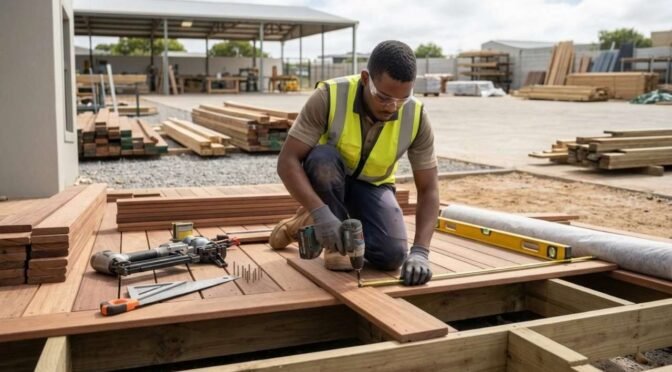
Apprentice Carpenter Jobs 2026: If you have hands-on carpentry skills and enjoy working with timber, Euro Decking is offering an exciting temporary employment opportunity for Apprentice Carpenters in Goodwood, Western Cape. The project is ideal for experienced carpenters, timber installers, and individuals looking to strengthen their practical construction experience while earning a competitive daily rate.
Successful candidates will work alongside skilled professionals on timber decking installations, gaining valuable site exposure and improving their craftsmanship in a professional environment.
Opportunity Overview
Euro Decking is recruiting temporary Apprentice Carpenters to assist with timber decking installation projects in Goodwood. The company specializes in high-quality timber decking solutions for residential and commercial clients and is looking for reliable workers who take pride in producing durable and visually appealing timber structures.
Whether you already have decking experience or have worked in general carpentry, this opportunity allows you to expand your skills while working on real construction projects.
Job Summary
| Details | Information |
|---|---|
| Company | Euro Decking |
| Position | Apprentice Carpenter |
| Industry | Construction / Carpentry |
| Employment Type | Temporary Project-Based |
| Location | Goodwood, Western Cape |
| Salary | From R400 per day |
| Work Environment | On-site |
| Closing Date | Not Specified |
About Euro Decking
Euro Decking is known for designing and installing quality timber decking systems that combine durability with attractive finishes. Their projects include outdoor entertainment areas, residential decks, commercial walkways, pool surrounds, and custom timber structures.
Employees working on these projects gain practical knowledge of modern timber construction techniques while working with experienced installers.
Why Consider This Opportunity?
Temporary construction work offers an excellent way to gain industry experience, earn an income, and build a professional portfolio.
Some of the advantages include:
- Daily earnings starting from R400
- Practical timber decking experience
- Exposure to professional construction standards
- Opportunity to work with experienced carpenters
- Improve technical carpentry skills
- Build a stronger employment record
- Enhance future job opportunities in construction
Main Responsibilities
Apprentice Carpenters will support the installation and construction of timber decking systems from beginning to completion.
Typical duties may include:
- Assisting with timber deck installation
- Building support frames and structural components
- Measuring and cutting timber accurately
- Installing decking boards with proper spacing
- Ensuring finished decks remain level and secure
- Using hand and power tools safely
- Maintaining clean and organized work areas
- Following workplace safety procedures
- Assisting senior carpenters during construction
- Inspecting completed work for quality standards
The exact duties may vary depending on project requirements.
Minimum Requirements
Although formal educational qualifications have not been specified, applicants should possess practical carpentry knowledge and relevant experience.
Suitable candidates should demonstrate:
- Experience working with timber decking
- Understanding of carpentry tools
- Ability to interpret measurements
- Good attention to detail
- Reliable work ethic
- Ability to work independently and within a team
- Physical fitness suitable for construction work
- Own transport is considered an advantage
Skills That Can Improve Your Application
Employers often value applicants who possess practical workplace skills, including:
- Timber cutting
- Deck installation
- Measuring and marking
- Problem-solving
- Time management
- Communication skills
- Teamwork
- Safety awareness
- Quality workmanship
- Construction planning
Applicants with previous construction site experience may have an advantage during the recruitment process.
Salary Information
Successful candidates can earn from R400 per day depending on the project and employer requirements.
Additional benefits have not been announced, so applicants should confirm employment conditions directly with the employer during the recruitment process.
Documents You Should Prepare
Before applying, ensure you have the following documents ready:
- Updated Curriculum Vitae (CV)
- Certified South African ID (if requested)
- Contactable references
- Driver’s licence (if applicable)
- Portfolio of previous timber decking work
- Photographs of completed carpentry projects (optional but recommended)
Having complete documentation can help speed up the recruitment process.
Application Process
Applicants should prepare a professional CV highlighting their carpentry experience and previous timber projects.
After updating your documents:
- Gather references from previous employers or clients.
- Include photographs of completed decking work where possible.
- Submit your application through Euro Decking’s official recruitment channel.
- Monitor your phone and email for interview invitations.
- Attend any practical assessments if requested.
Because the vacancy is project-based, applications should be submitted as early as possible.
Tips to Increase Your Chances
To stand out from other applicants:
- Highlight timber decking experience.
- Mention the types of projects completed.
- Include measurements, framing, and finishing experience.
- Demonstrate knowledge of construction safety.
- Keep your CV clear and professional.
- Ensure your references can be contacted.
- Arrive on time if invited for an interview.
- Dress appropriately for practical assessments.
Employers often value reliability as much as technical ability.
Career Opportunities After This Role
Experience gained through this project can support careers such as:
- Carpenter
- Timber Deck Installer
- Construction Worker
- Maintenance Carpenter
- Site Assistant
- Building Technician
- Construction Artisan
- Residential Carpenter
- Commercial Carpenter
- Self-employed Carpentry Contractor
Practical experience is highly valued across South Africa’s construction industry.
Frequently Asked Questions
Is this a permanent position?
No. The advertised opportunity is temporary and project-based.
How much will successful applicants earn?
The advertised daily rate starts from R400 per day.
Are formal qualifications required?
No formal qualifications were mentioned, but practical carpentry experience is preferred.
Is previous timber decking experience necessary?
Applicants with timber decking or related carpentry experience are likely to be better suited for the role.
Has the closing date been announced?
No official closing date has been published. Interested candidates are encouraged to apply as soon as possible.
Final Thoughts
The Euro Decking Apprentice Carpenter opportunity provides skilled tradespeople with an excellent chance to gain further experience in timber construction while earning competitive daily pay. Working on professional decking projects can strengthen your practical skills, expand your portfolio, and improve future employment opportunities within South Africa’s construction industry.
If you have experience with timber decking, enjoy hands-on work, and are committed to delivering quality craftsmanship, this temporary project could be an excellent step toward advancing your career.
Why This Opportunity Can Benefit Your Career
The construction industry continues to demand skilled tradespeople who can deliver quality workmanship. While this Euro Decking position is temporary, the practical experience gained can significantly improve your employability.
Working on real timber decking projects allows you to demonstrate your abilities to future employers. Many construction companies value hands-on experience over classroom learning, making this opportunity an excellent addition to your CV.
Project-based employment also helps workers expand their professional network by connecting with experienced carpenters, contractors, and site supervisors who may recommend them for future work.
Skills You Can Develop
Working as an Apprentice Carpenter provides exposure to various technical and workplace skills that remain valuable throughout your career.
These include:
- Timber measuring and marking
- Deck framing techniques
- Timber cutting and fitting
- Structural support installation
- Safe use of power tools
- Hand tool operation
- Quality inspection
- Construction site safety
- Material handling
- Team collaboration
- Time management
- Problem-solving
- Communication skills
- Attention to detail
Developing these skills can increase your chances of securing higher-paying construction roles in the future.
Tools You May Work With
Depending on the project requirements, Apprentice Carpenters may use a variety of professional carpentry equipment.
Common tools include:
- Circular saws
- Power drills
- Nail guns
- Impact drivers
- Measuring tapes
- Spirit levels
- Speed squares
- Hammers
- Chisels
- Clamps
- Sanders
- Safety equipment
Candidates should always follow workplace safety procedures when operating tools and machinery.
Typical Working Conditions
Construction work is physically demanding and often takes place outdoors. Successful applicants should be prepared to:
- Stand for extended periods
- Lift construction materials
- Work in different weather conditions
- Follow strict safety guidelines
- Meet project deadlines
- Cooperate with supervisors and team members
A positive attitude and willingness to learn are highly valued on construction sites.
How Employers Select Candidates
Recruitment usually focuses on practical ability rather than academic qualifications.
Employers may assess:
- Previous carpentry experience
- Timber decking knowledge
- Reliability
- Communication skills
- Ability to follow instructions
- Physical fitness
- References from previous employers
- Portfolio of completed work
Applicants who can demonstrate quality workmanship often have a competitive advantage.
Preparing for a Practical Assessment
Some employers may ask candidates to complete a practical skills test before employment.
You may be required to:
- Measure timber accurately
- Cut decking boards
- Demonstrate safe tool handling
- Assemble a simple timber frame
- Show knowledge of spacing and alignment
- Explain your previous carpentry experience
Practising these basic skills beforehand can improve your confidence.
Interview Questions You Might Be Asked
Although interviews vary, recruiters may ask questions such as:
Tell us about your carpentry experience.
Describe the types of projects you’ve completed and the responsibilities you handled.
Why do you want to work with Euro Decking?
Show enthusiasm for timber construction, learning opportunities, and producing quality work.
How do you ensure accurate measurements?
Explain your approach to checking measurements carefully before cutting materials.
How do you maintain workplace safety?
Discuss the importance of protective equipment, safe tool handling, and following site procedures.
Can you work as part of a team?
Provide examples of previous projects where teamwork contributed to successful completion.
Building a Strong Carpentry CV
Your CV should clearly highlight your practical experience.
Include sections such as:
- Personal Information
- Career Summary
- Work Experience
- Carpentry Projects
- Technical Skills
- Equipment Operated
- References
Use bullet points and keep your CV easy to read.
Creating a Professional Portfolio
If possible, prepare a simple portfolio showing examples of your work.
Include:
- Before and after project photographs
- Timber decking installations
- Pergolas
- Wooden fences
- Outdoor structures
- Custom carpentry work
A visual portfolio can help employers assess your abilities more quickly.
Workplace Safety Tips
Construction safety should always be a priority.
Remember to:
- Wear appropriate PPE
- Inspect tools before use
- Keep work areas clean
- Follow supervisor instructions
- Report hazards immediately
- Lift materials correctly
- Stay hydrated during outdoor work
Safe working habits protect both workers and clients.
Common Application Mistakes
Avoid these common errors:
- Sending an outdated CV
- Omitting contactable references
- Providing poor-quality photographs
- Ignoring application instructions
- Applying after positions have been filled
- Giving incorrect contact information
Taking extra time to review your application can improve your chances of being shortlisted.
Career Progression
After gaining experience, you may pursue roles such as:
- Qualified Carpenter
- Deck Installation Specialist
- Site Foreman
- Construction Supervisor
- Timber Structure Installer
- Maintenance Technician
- Building Contractor
- Self-Employed Carpenter
Many successful artisans begin with temporary construction opportunities before advancing into permanent positions or starting their own businesses.
Frequently Asked Questions
Is accommodation provided?
The vacancy does not mention accommodation. Applicants should confirm this directly with the employer.
Is transport included?
Transport has not been advertised. Candidates are expected to arrange their own travel unless informed otherwise.
Can beginners apply?
The employer prefers applicants with practical carpentry or timber decking experience, although requirements may vary depending on project needs.
Will there be overtime?
Any overtime arrangements will depend on project schedules and operational requirements.
Is there potential for future work?
Strong performance on temporary projects may improve opportunities for future construction work with the employer or within the industry.
Final Advice
If you have practical carpentry skills, enjoy working with timber, and are looking for short-term employment with competitive daily pay, the Euro Decking Apprentice Carpenter opportunity is worth considering. Submit a professional application, showcase your previous work, and prepare thoroughly for any interview or practical assessment.
Even though the role is temporary, the experience you gain can strengthen your CV, expand your professional network, and open doors to long-term employment in South Africa’s growing construction and timber installation industry.
The Growing Demand for Skilled Carpenters in South Africa
The construction sector remains one of South Africa’s largest employers, with skilled carpenters continuing to play a vital role in residential, commercial, and outdoor building projects. As more homeowners and businesses invest in timber decking, pergolas, outdoor entertainment areas, and landscaping improvements, experienced carpenters are becoming increasingly valuable.
Employers are particularly interested in tradespeople who can combine technical knowledge with quality workmanship, reliability, and the ability to complete projects efficiently.
For individuals entering the industry, temporary projects like this Euro Decking opportunity provide practical experience that can lead to larger and more rewarding construction careers.
Why Timber Decking Is a Valuable Specialisation
Carpentry covers many areas, including roofing, cabinetry, furniture manufacturing, framing, and finishing work. Timber decking, however, has become one of the fastest-growing specialisations due to increasing demand for outdoor living spaces.
Professionals who understand timber decking installation often work on projects such as:
- Residential garden decks
- Swimming pool surrounds
- Rooftop entertainment areas
- Restaurant outdoor seating
- Hotel and resort walkways
- Commercial viewing platforms
- Boardwalk construction
- Outdoor staircases
- Pergolas and timber features
- Public recreation areas
Developing expertise in these projects can significantly improve future earning potential.
Qualities Employers Appreciate
Construction companies often hire individuals who demonstrate more than technical ability. Employers also value professionalism and a positive work ethic.
Important qualities include:
- Reliability and punctuality
- Strong communication
- Respect for safety procedures
- Ability to work independently
- Willingness to learn
- Problem-solving skills
- Attention to detail
- Professional attitude
- Flexibility
- Commitment to producing quality work
Candidates who consistently display these qualities often receive repeat employment opportunities.
Building Your Reputation in Construction
Unlike many office careers, construction professionals often build their reputation through completed projects and recommendations.
To establish a strong professional reputation:
- Deliver consistent workmanship.
- Complete tasks within agreed timelines.
- Treat clients respectfully.
- Keep work areas clean.
- Follow safety regulations.
- Work well with team members.
- Be honest about your experience.
- Accept constructive feedback positively.
A good reputation can lead to referrals without the need to search extensively for future work.
Continuing Your Professional Development
Even experienced carpenters benefit from ongoing learning.
Areas worth exploring include:
- Advanced timber framing
- Outdoor structural design
- Composite decking installation
- Waterproofing techniques
- Construction estimating
- Blueprint interpretation
- Occupational health and safety
- Project supervision
- Small business management
- Customer service
Continuous learning helps tradespeople remain competitive as industry standards evolve.
Starting Your Own Carpentry Business
Many experienced carpenters eventually choose self-employment after gaining sufficient practical experience.
Operating your own carpentry business may involve:
- Quoting for projects
- Purchasing materials
- Managing client relationships
- Scheduling work
- Supervising assistants
- Marketing services
- Maintaining equipment
- Managing finances
- Ensuring legal compliance
- Building a loyal customer base
Entrepreneurship requires commitment, but it can also provide greater independence and income potential.
How to Maintain Your Carpentry Tools
Proper tool maintenance improves safety, efficiency, and the lifespan of equipment.
Best practices include:
- Cleaning tools after every project
- Sharpening blades regularly
- Inspecting power cords
- Lubricating moving parts
- Storing equipment safely
- Replacing damaged components
- Charging batteries correctly
- Using protective cases during transport
Well-maintained tools also produce cleaner and more accurate workmanship.
Common Challenges on Construction Sites
Construction work can present various challenges, including:
- Tight project deadlines
- Weather disruptions
- Material shortages
- Uneven ground conditions
- Unexpected design changes
- Heavy lifting
- Long working hours
- Working at heights
- Equipment breakdowns
- Client modifications
Successful carpenters remain adaptable and focus on finding practical solutions.
Networking Within the Industry
Building professional relationships is one of the most effective ways to discover future employment opportunities.
You can expand your network by:
- Working professionally on every project
- Keeping in touch with supervisors
- Connecting with suppliers
- Joining construction industry groups
- Attending trade exhibitions
- Participating in artisan workshops
- Sharing completed projects professionally
Many construction jobs are filled through recommendations before being publicly advertised.
Future Career Opportunities
Experience gained from timber decking projects can open doors to various careers, including:
- Senior Carpenter
- Decking Installation Supervisor
- Construction Site Supervisor
- Building Inspector (with further qualifications)
- Shopfitting Specialist
- Timber Structure Consultant
- Property Maintenance Manager
- Facilities Maintenance Technician
- Construction Project Coordinator
- Independent Contractor
Each additional project strengthens both practical experience and professional credibility.
Final Checklist Before Applying
Before submitting your application, ensure you have:
- An updated CV
- Correct contact details
- Contactable references
- Photos of previous carpentry work (if available)
- A professional attitude
- Reliable transport arrangements
- Copies of any relevant certificates
- A portfolio showcasing completed projects
Reviewing your application carefully before submission demonstrates attention to detail.
Final Thoughts
The Euro Decking Apprentice Carpenter opportunity offers more than short-term employment—it provides a chance to develop practical construction experience, enhance technical carpentry skills, and build a strong foundation for long-term success in the building industry. Whether your goal is to secure permanent employment, specialise in timber decking, or eventually operate your own carpentry business, every completed project contributes to your professional growth.
Applicants who combine practical experience with reliability, professionalism, and a willingness to learn are often well positioned for future opportunities across South Africa’s expanding construction sector. By preparing a strong application, presenting your previous work effectively, and demonstrating quality craftsmanship, you can maximise the value of this opportunity and take another important step in your carpentry career.