South Africa’s financial services sector continues to create opportunities for graduates who want to develop practical skills while building long-term careers. The Absa Microinsurance Sales Learnership 2026 is one such opportunity, offering unemployed graduates structured workplace learning combined with accredited training.
The programme introduces learners to the world of microinsurance—a segment of the insurance industry focused on providing affordable cover to individuals and communities with limited access to traditional financial products. Participants gain practical exposure to customer service, insurance sales, administration, compliance, and community engagement while working in a professional banking environment.
Unlike many entry-level programmes that focus only on office-based duties, this learnership combines classroom learning with practical field experience. Learners may interact directly with customers, assist with insurance applications, explain product benefits, maintain accurate records, and support initiatives that promote financial inclusion.
Programme Overview
Organisation: Absa Group
Programme: Microinsurance Sales Learnership 2026
Opportunity Type: Learnership
Industry: Banking and Financial Services
Location: Johannesburg / Auckland Park, Gauteng
Work Arrangement: Hybrid
Target Applicants: Unemployed graduates with a business-related qualification
Application Method: Online through the official Absa Careers website
About Absa
Absa is one of Africa’s leading financial institutions, serving millions of customers through banking, insurance, investment, lending, and digital financial services. The organisation invests in developing young professionals through graduate programmes, internships, and learnerships that combine structured training with real workplace experience.
The Microinsurance Sales Learnership reflects Absa’s commitment to developing skilled professionals while improving access to affordable financial products across South Africa.
What Is Microinsurance?
Microinsurance refers to insurance products designed to be affordable and accessible for lower-income individuals and families. These products help protect customers against unexpected financial challenges while supporting broader financial inclusion goals.
Working in this area allows learners to understand how insurance contributes to economic stability and community development.
Why Consider This Learnership?
The programme is suitable for graduates who want to gain practical experience rather than move directly into a permanent role without industry exposure. Learners receive structured guidance while developing workplace competencies that can be applied across banking, insurance, customer service, and sales.
Participants may gain experience in:
Customer relationship management
Insurance product knowledge
Sales and communication
Administrative support
Compliance procedures
Community engagement
Digital workplace systems
Professional business communication
Who Can Apply?
Applicants should generally meet the following requirements:
Be currently unemployed.
Not be enrolled in full-time studies.
Hold a Grade 12 certificate.
Possess a Diploma or Bachelor’s Degree in Business or a related field.
Hold a valid driver’s licence.
Have access to a reliable vehicle.
Be willing to travel within Gauteng and, where required, KwaZulu-Natal.
Have a clear criminal and credit record.
Applicants should always confirm the latest eligibility requirements on the official Absa Careers website before applying.
Typical Responsibilities
Successful learners may assist with:
Explaining suitable insurance products to customers.
Supporting policy applications.
Assisting with customer enquiries.
Helping clients understand claims procedures.
Maintaining accurate customer records.
Participating in community awareness activities.
Meeting programme learning objectives.
Following internal compliance procedures.
Providing professional customer service.
Benefits of the Programme
Participants may benefit from:
Structured workplace learning
Practical financial services experience
Mentorship from experienced professionals
Sales and customer service development
Exposure to insurance operations
Improved communication skills
Greater understanding of compliance
Enhanced employability
Documents to Prepare
Before applying, prepare:
Updated CV
Certified South African ID
Grade 12 certificate
Diploma or Degree certificate
Academic transcript
Driver’s licence
Any additional supporting qualifications
How to Apply
Visit the official Absa Careers website, locate the Microinsurance Sales Learnership vacancy, complete the online application form, upload all required documents, review your information carefully, and submit your application before the advertised closing date.
Final Thoughts
For graduates looking to enter South Africa’s banking and insurance industry, the Absa Microinsurance Sales Learnership provides an opportunity to gain practical workplace experience while developing valuable technical and professional skills. The combination of accredited learning, mentorship, customer interaction, and industry exposure can help participants build a strong foundation for future careers within the financial services sector.
Students who are passionate about protecting the environment and building a career in sustainability can consider applying for the Digby Wells Environmental Bursary Programme 2027. The bursary is aimed at South African students pursuing qualifications in environmental and social science disciplines that contribute to responsible development and environmental stewardship.
As industries place greater emphasis on environmental compliance, sustainable resource management, and community engagement, professionals with specialised environmental knowledge continue to be in demand. This bursary not only assists students financially but may also provide opportunities for workplace exposure and future career development.
Quick Overview
Category
Details
Bursary Provider
Digby Wells Environmental
Programme
Digby Wells Environmental Bursary 2027
Study Level
Undergraduate and eligible tertiary studies
Study Location
South Africa
Funding Type
Tuition and study support
Closing Date
Not specified
Application Method
Official Digby Wells application platform
About Digby Wells Environmental
Digby Wells Environmental is a South African environmental and social consulting company that works with organisations in sectors such as mining, energy, infrastructure, and development. The company provides consulting services that help clients meet environmental regulations while promoting sustainable development and responsible resource management.
The bursary programme reflects the organisation’s commitment to developing future professionals who can contribute to environmental protection and sustainable economic growth.
Why This Bursary Is Worth Applying For
Environmental careers continue to expand as governments and businesses adopt stronger sustainability practices. Skilled professionals are needed to manage natural resources, conduct environmental assessments, engage with communities, and support responsible development projects.
The Digby Wells Environmental Bursary helps students prepare for these careers by reducing some of the financial barriers associated with tertiary education.
Fields of Study Supported
Applicants enrolled in environmental-related qualifications may be considered in areas including:
Aquatic Ecology
Community Development
Environmental Management
Environmental Science
Geographical Information Systems (GIS)
Hydrogeology
Hydrology
Social Sciences
Sociology
Stakeholder Engagement
Applicants should confirm eligible qualifications through the official bursary guidelines before applying.
What the Bursary May Cover
Depending on the bursary award and funding available, successful applicants may receive support for:
Tuition fees
Prescribed textbooks
Laptop assistance
Approved academic expenses
The level of financial assistance may differ between recipients.
Additional Development Opportunities
Besides financial assistance, selected bursary recipients may also benefit from opportunities such as:
Vacation work during university holidays
Practical workplace exposure
Mentorship from experienced professionals
Networking opportunities within the environmental sector
Potential graduate employment opportunities, subject to organisational requirements and bursary conditions
These experiences can help students transition more confidently into professional careers.
Eligibility Requirements
Applicants should generally meet the following requirements:
Be a South African citizen.
Be completing Matric or have already completed Matric.
Plan to study or currently study full-time at a recognised tertiary institution.
Demonstrate good academic performance.
Show genuine interest in environmental sustainability.
Display responsibility, commitment, and a willingness to contribute positively to society.
Meeting the minimum requirements does not guarantee selection, as bursaries are often highly competitive.
Documents You May Need
Applicants should prepare clear and complete supporting documents before beginning the application.
Typical documents include:
Certified copy of South African ID
Matric certificate or latest school results
Academic transcripts (if already studying)
Proof of university acceptance or registration
Updated Curriculum Vitae (CV)
Motivation letter
Ensure that all documents are legible and submitted in the required format.
How to Apply
To submit an application:
Gather all required supporting documents.
Update your CV with your academic achievements and extracurricular activities.
Write a personalised motivation letter explaining your interest in environmental studies.
Visit the official Digby Wells Environmental application platform.
Complete the online application form.
Upload all supporting documents.
Review your application carefully before submitting.
Because no official closing date has been published, early submission is strongly recommended.
Tips for a Strong Motivation Letter
Your motivation letter should explain more than your need for financial assistance.
Consider including:
Why you selected your field of study.
The environmental challenges that inspire you.
Your long-term career aspirations.
How the bursary will help you achieve your goals.
The positive contribution you hope to make to South Africa.
Writing a thoughtful and genuine motivation letter can strengthen your application.
Common Application Mistakes
Applicants should avoid:
Submitting incomplete applications.
Forgetting certified documents.
Uploading poor-quality scans.
Using generic motivation letters.
Providing outdated contact information.
Waiting until the last minute to apply.
Taking time to review your application before submission can help prevent unnecessary errors.
Frequently Asked Questions
Who can apply?
South African students who meet the bursary requirements and are studying approved environmental-related qualifications.
Does the bursary pay for all study costs?
Funding may include tuition, books, and other approved study-related expenses. The exact level of support depends on the bursary award.
Are internship opportunities available?
Eligible bursary recipients may have opportunities for vacation work or workplace experience, subject to organisational requirements.
Is employment guaranteed after graduation?
Future employment opportunities may be available, but they are generally subject to organisational needs, individual performance, and the terms of the bursary agreement.
Final Thoughts
The Digby Wells Environmental Bursary 2027 offers aspiring environmental professionals an opportunity to receive financial assistance while preparing for careers that contribute to sustainable development and environmental management. Students with strong academic records, a clear commitment to environmental responsibility, and well-prepared applications may improve their chances of selection.
If you meet the eligibility requirements, begin preparing your documents early, write a focused motivation letter, and apply through the official Digby Wells Environmental application platform as soon as possible.
Why Environmental Bursaries Are Becoming More Important
South Africa faces growing environmental challenges, including water security, biodiversity conservation, responsible mining, renewable energy development, and climate resilience. As a result, organisations are investing in students who can develop the technical and professional skills needed to address these issues.
The Digby Wells Environmental Bursary aims to support students who demonstrate both academic potential and a genuine commitment to environmental sustainability. By investing in future professionals, the programme contributes to building a skilled workforce capable of supporting responsible development across various industries.
What the Selection Committee May Consider
Meeting the minimum eligibility requirements is only the first step. During the assessment process, reviewers may evaluate several aspects of an application to identify candidates with strong long-term potential.
Areas that may be considered include:
Academic performance
Commitment to environmental sustainability
Leadership potential
Community involvement
Communication skills
Quality of the motivation letter
Career goals
Completeness of the application
Supporting documentation
Overall professionalism
Applicants who submit organised, thoughtful applications often make a stronger impression than those who submit incomplete or generic documents.
Writing a Strong Motivation Letter
The motivation letter is your opportunity to explain who you are beyond your academic results. It should clearly connect your educational goals with your interest in environmental sustainability.
A well-structured motivation letter can include:
Introduce Yourself
Briefly explain your educational background and the qualification you intend to pursue.
Explain Your Passion
Describe what inspired your interest in environmental studies. This could include personal experiences, school projects, community activities, or exposure to environmental issues.
Connect Your Career Goals
Explain how your chosen field will allow you to contribute to sustainable development, environmental protection, or community wellbeing.
Highlight Your Strengths
Mention achievements that demonstrate dedication, leadership, teamwork, or academic excellence.
End Professionally
Thank the selection committee for considering your application and express your enthusiasm for contributing positively to the environmental sector.
Keep your writing clear, sincere, and focused on your own experiences and aspirations.
Building a Professional Student CV
Even if you have limited work experience, your CV can still demonstrate your potential.
Consider including:
Personal details
Career objective
Educational background
Academic achievements
Leadership roles
Volunteer experience
Extracurricular activities
Computer skills
Languages
Referees
A neat, well-organised CV helps reviewers quickly understand your qualifications and strengths.
Why Community Involvement Matters
Many bursary providers appreciate applicants who have contributed positively to their communities.
Examples of relevant activities include:
Environmental clean-up campaigns
Recycling initiatives
School environmental clubs
Tree-planting projects
Water conservation campaigns
Community education programmes
Volunteer work
Youth leadership activities
Participation in these initiatives demonstrates responsibility and a genuine interest in creating positive change.
Skills That Environmental Employers Value
Besides academic qualifications, employers often look for transferable skills that support workplace success.
Important skills include:
Communication
Critical thinking
Teamwork
Research ability
Problem-solving
Time management
Adaptability
Data analysis
Report writing
Digital literacy
Ethical decision-making
Project planning
Developing these competencies during your studies can improve future employment prospects.
Preparing Your Documents
Before uploading your application, check that every document is complete and easy to read.
Review the following:
Certified ID copy
Matric certificate or latest results
Academic transcripts
University acceptance letter
Updated CV
Motivation letter
Rename files clearly and ensure they meet any size or format requirements specified by the application system.
Common Reasons Applications Are Unsuccessful
Many capable students miss opportunities because of avoidable mistakes.
These may include:
Missing documents
Generic motivation letters
Incorrect contact details
Poor-quality scanned documents
Failure to follow application instructions
Applying after the closing period
Providing incomplete academic information
Review your application carefully before submitting it to reduce the risk of errors.
Career Opportunities After Graduation
Graduates in environmental disciplines can pursue careers in a variety of sectors, including government, consulting, conservation, mining, infrastructure, and research.
Potential career paths include:
Environmental Consultant
Environmental Officer
GIS Specialist
Hydrologist
Hydrogeologist
Environmental Scientist
Sustainability Advisor
Community Development Practitioner
Social Performance Specialist
Conservation Officer
Environmental Compliance Officer
Stakeholder Engagement Coordinator
Many of these roles contribute directly to sustainable development and environmental protection.
Frequently Asked Questions
Can first-year university students apply?
Students should review the official eligibility requirements to determine whether their current level of study is eligible.
Does the bursary guarantee employment?
Some recipients may receive opportunities for vacation work or graduate employment, depending on organisational requirements and the terms of the bursary agreement.
Is academic performance important?
Yes. Strong academic results generally strengthen an application, particularly when combined with a clear commitment to environmental sustainability.
Should I apply if I am still waiting for university acceptance?
Applicants should follow the official application guidelines regarding proof of admission or pending acceptance.
When should I submit my application?
Because no official closing date has been announced, applicants are encouraged to apply as early as possible after preparing all required documents.
Final Advice
The Digby Wells Environmental Bursary is an excellent opportunity for students who want to combine academic achievement with a meaningful career in environmental sustainability. Preparing a complete application, writing a personalised motivation letter, and demonstrating genuine commitment to environmental issues can strengthen your chances of success.
Begin gathering your documents early, present your achievements clearly, and ensure every part of your application reflects your interest in contributing to a more sustainable South Africa. A well-prepared application can help you take an important step toward a rewarding career in the environmental sector.
Preparing for Success Beyond the Bursary
Receiving financial support through the Digby Wells Environmental Bursary is an important milestone, but long-term success depends on how students use the opportunities available during their studies. Employers in the environmental sector look for graduates who combine academic knowledge with practical skills, professionalism, and a commitment to sustainable development.
Whether your goal is to work in environmental consulting, conservation, water management, community development, or sustainability, your university years provide the foundation for building a successful career.
The Growing Demand for Environmental Professionals
Environmental challenges continue to influence how governments, businesses, and communities operate. Organisations increasingly require specialists who understand environmental legislation, resource management, climate adaptation, and sustainable development.
Graduates with environmental qualifications may find opportunities in sectors such as:
Environmental consulting
Mining and minerals
Renewable energy
Water resource management
Agriculture
Infrastructure development
Conservation organisations
Government departments
Research institutions
International development agencies
As environmental regulations continue to evolve, professionals with specialised knowledge remain valuable across both the public and private sectors.
Making the Most of Your University Experience
Academic success involves more than attending lectures and passing examinations.
Students can strengthen their professional profiles by:
Participating in environmental research projects
Joining university environmental societies
Attending public lectures and seminars
Taking part in fieldwork opportunities
Volunteering for conservation initiatives
Developing technical software skills
Building professional networks
Seeking mentorship from lecturers
These activities help students gain experience that complements their academic qualifications.
Technical Skills Worth Developing
Many environmental careers require both scientific knowledge and technical competence.
Useful skills include:
Environmental data collection
Geographic Information Systems (GIS)
Spatial mapping
Environmental monitoring
Report writing
Data interpretation
Water quality assessment
Environmental impact assessment principles
Basic statistical analysis
Microsoft Office proficiency
Presentation skills
Technical communication
Building these competencies during your studies can improve employability after graduation.
Professional Skills Employers Appreciate
Alongside technical expertise, employers often look for graduates who demonstrate strong workplace behaviours.
Important qualities include:
Professional communication
Teamwork
Critical thinking
Ethical decision-making
Adaptability
Time management
Leadership potential
Initiative
Problem-solving
Attention to detail
Organisational skills
Accountability
These transferable skills are valuable across many industries and career paths.
Gaining Practical Experience
Hands-on experience helps students apply classroom knowledge to real-world situations.
Practical learning opportunities may include:
Vacation work
Internships
Field surveys
Community engagement projects
Research assistant roles
Laboratory work
Environmental monitoring activities
Industry site visits
Such experiences can strengthen your CV and help you develop confidence before entering full-time employment.
Building a Professional Network
Networking plays an important role in career development.
Students can expand their professional connections by:
Attending industry conferences
Participating in university career events
Joining professional environmental associations
Connecting with alumni
Engaging with guest speakers
Participating in research collaborations
Maintaining relationships with supervisors and mentors
Professional networks can provide valuable advice, mentorship, and information about future opportunities.
Preparing for Graduate Employment
As you approach graduation, begin preparing for the transition into the workplace.
Helpful steps include:
Updating your CV regularly
Creating a professional LinkedIn profile
Organising academic certificates
Recording research and project experience
Collecting references from lecturers or supervisors
Practising interview skills
Monitoring graduate recruitment programmes
Early preparation can make the job search more manageable after completing your studies.
Possible Career Pathways
Graduates supported through environmental bursaries may pursue careers including:
Environmental Consultant
Sustainability Specialist
Environmental Compliance Officer
GIS Analyst
Hydrologist
Hydrogeologist
Ecologist
Environmental Scientist
Community Development Practitioner
Social Performance Advisor
Conservation Project Officer
Environmental Policy Analyst
Climate Change Specialist
Natural Resource Manager
Research Officer
Career progression will depend on qualifications, experience, and ongoing professional development.
Continuing Professional Development
Learning should continue after graduation.
Graduates can strengthen their careers by:
Completing postgraduate qualifications
Attending professional training courses
Obtaining industry certifications
Participating in environmental workshops
Reading current environmental research
Learning new digital tools
Expanding project management skills
Improving public speaking and communication
Continuous learning helps professionals remain competitive in a rapidly changing industry.
Common Challenges for New Graduates
Starting a career in the environmental sector can present several challenges.
These may include:
Building practical experience
Adapting to workplace expectations
Managing multiple projects
Working in remote field locations
Keeping up with environmental legislation
Learning new technologies
Communicating technical information to non-specialists
Approaching these challenges with curiosity and a willingness to learn can support long-term professional growth.
Final Application Checklist
Before submitting your bursary application, confirm that you have:
Completed the official application form
Included a certified copy of your South African ID
Attached your Matric certificate or latest academic results
Uploaded your academic transcripts (if applicable)
Added proof of university acceptance or registration
Updated your CV with current information
Written a personalised motivation letter
Checked that all documents are clear and complete
Review your application one final time before submission to ensure nothing has been overlooked.
Final Thoughts
The Digby Wells Environmental Bursary 2027 offers aspiring environmental professionals an opportunity to invest in their education while preparing for careers that contribute to sustainable development and responsible environmental management. Financial support, combined with potential workplace exposure and professional development opportunities, can help students build a strong foundation for the future.
Applicants who demonstrate academic dedication, a genuine passion for environmental sustainability, and a clear vision for their future are likely to present stronger applications. By preparing early, following the official application requirements carefully, and submitting a complete application, you can improve your chances of being considered for this valuable bursary opportunity.
South African students planning to pursue postgraduate studies in 2027 have an opportunity to apply for the Oppenheimer Memorial Trust (OMT) Scholarship. The programme supports academically talented individuals who are committed to advancing research, higher education, and innovation through Master’s, Doctoral, Postdoctoral, and Sabbatical studies.
Recognised as one of South Africa’s respected postgraduate funding opportunities, the OMT Scholarship assists students whose academic work has the potential to contribute to national development and global knowledge. While the scholarship does not usually cover the entire cost of study, it provides valuable financial assistance that can reduce the burden of postgraduate education.
Scholarship Overview
Details
Information
Scholarship
Oppenheimer Memorial Trust (OMT) Scholarship 2027
Provider
Oppenheimer Memorial Trust
Study Levels
Master’s, Doctoral, Postdoctoral & Sabbatical
Study Locations
South Africa and approved international institutions
Application Method
Online
Funding Type
Partial Financial Support
Closing Date
31 August 2026
Study Commencement
January–June 2027
About the Oppenheimer Memorial Trust
The Oppenheimer Memorial Trust was established in 1958 to honour Sir Ernest Oppenheimer. Since its establishment, the Trust has invested in initiatives that strengthen South Africa’s education system, research capacity, public-interest projects, and academic excellence.
Through its scholarship programme, the Trust supports talented researchers and academics whose work has the potential to make meaningful contributions to society.
Its funding has assisted many postgraduate students in building successful careers within universities, research institutions, government departments, and private organisations.
What the Scholarship Offers
Unlike many bursaries that cover only tuition, the OMT Scholarship may contribute towards several study-related expenses, depending on each applicant’s circumstances and available funding.
Funding allocations differ between applicants and are determined through the assessment process.
Important Funding Information
Applicants should note that:
The scholarship is generally not a full-cost award.
Additional financial support may still be required.
Funding is awarded competitively.
Continued support may depend on satisfactory academic progress.
Applicants should prepare a realistic study budget before applying.
Understanding the financial structure of the programme helps applicants plan more effectively for postgraduate studies.
Who Can Apply?
The scholarship supports different categories of postgraduate study.
Master’s and Doctoral Applicants
Eligible applicants should generally:
Be South African citizens or permanent residents.
Intend to study at postgraduate level during 2027.
Demonstrate strong academic achievement.
Show commitment to research and academic development.
Meet the admission requirements of their chosen institution.
Postdoctoral Applicants
Postdoctoral funding may be available to:
South African citizens
Permanent residents
Eligible international researchers
Applicants should satisfy the requirements outlined in the official scholarship guidelines.
Sabbatical Applicants
Academic staff applying for sabbatical support should generally be employed full-time at recognised South African public higher education institutions.
Specific requirements should always be confirmed through the official OMT application documentation.
Documents Required
Preparing documents well before the deadline can make the application process much smoother.
Applicants may be asked to submit:
Certified identity document or passport
Curriculum Vitae (CV)
Academic transcripts
Degree certificates
Proof of university admission or registration
Research proposal or study plan
Motivation letter
Detailed study budget
Evidence of additional funding applications
Proof of income where required
Recommendation letters submitted by referees
Recent professional photograph
Applicants should ensure that all documents are complete, accurate, and easy to read before uploading them.
Step-by-Step Application Process
To submit an application successfully:
Visit the official Oppenheimer Memorial Trust website.
Read the scholarship guidelines carefully.
Create an account on the online application portal.
Complete every section of the application form.
Upload all required supporting documents.
Request referees to submit their recommendations before the deadline.
Review your application thoroughly.
Submit your application before 31 August 2026.
Late or incomplete applications may not be considered.
Why Apply for the OMT Scholarship?
Receiving postgraduate funding can provide significant academic and professional advantages.
Benefits include:
Financial assistance for postgraduate studies
Recognition from a respected funding organisation
Support for research development
Opportunities to strengthen academic careers
Improved access to research resources
Enhanced professional credibility
Better long-term career prospects
The scholarship is particularly valuable for students pursuing careers in higher education, research, public policy, and innovation.
Career Opportunities After Graduation
Graduates supported through postgraduate funding often pursue careers in:
University lecturing
Scientific research
Academic leadership
Government policy development
Research consultancy
Innovation management
Development planning
Public administration
Think tanks
International organisations
Advanced qualifications can also improve opportunities within the private sector and non-governmental organisations.
Frequently Asked Questions
Is the OMT Scholarship fully funded?
No. The scholarship generally provides partial financial support rather than full funding.
Can students study outside South Africa?
International study may be supported in approved circumstances, subject to the Trust’s funding policies.
Who is eligible for Master’s funding?
Applicants should generally be South African citizens or permanent residents who meet the academic and admission requirements.
Are postdoctoral researchers eligible?
Yes. Eligible postdoctoral applicants may include both South African and international researchers, depending on the programme guidelines.
When do applications close?
Applications for the 2027 intake close on 31 August 2026.
Final Thoughts
The Oppenheimer Memorial Trust Scholarship 2027 represents an outstanding opportunity for postgraduate students who wish to advance their academic careers while contributing to research and national development. Although the scholarship does not usually cover every study expense, it provides valuable financial support that can make postgraduate education more accessible.
Prospective applicants are encouraged to begin preparing their documentation early, develop a clear research proposal, and submit a complete application before the closing date. Careful preparation, academic excellence, and a compelling motivation can significantly strengthen your chances of receiving this prestigious scholarship.
Why the OMT Scholarship Is Highly Competitive
The Oppenheimer Memorial Trust Scholarship is regarded as one of South Africa’s respected postgraduate funding opportunities. Each year, many academically accomplished students submit applications, but only a limited number receive funding.
The selection process focuses on more than grades alone. Assessors also consider an applicant’s research potential, leadership qualities, commitment to academic excellence, and the likely impact of their work on South Africa and the broader academic community.
Applicants who present a well-prepared application with clear goals and a strong academic record generally stand a better chance of being shortlisted.
What the Selection Committee May Look For
Although assessment criteria can vary depending on the study level, reviewers typically evaluate several key areas.
These may include:
Consistent academic performance
Quality of the proposed research
Potential contribution to society
Career aspirations
Leadership ability
Communication skills
Commitment to higher education
Strength of supporting documents
Referee recommendations
Financial need where applicable
A balanced application that demonstrates both academic excellence and future potential is often more competitive.
Writing a Strong Motivation Letter
The motivation letter gives applicants an opportunity to explain why they deserve funding beyond what appears in their academic records.
A strong letter should include:
Introduce Yourself
Briefly describe your academic background and current area of study.
Explain Your Career Goals
Describe your long-term professional ambitions and how postgraduate study supports those goals.
Discuss Your Research Interests
Clearly explain why your research is important and what contribution it could make to your field or society.
Highlight Your Achievements
Mention academic awards, publications, leadership roles, volunteer activities, or research experience where relevant.
Conclude Professionally
Thank the selection committee for considering your application and express your enthusiasm for contributing to research and higher education.
Aim to write clearly and avoid overly technical language unless necessary.
Preparing an Effective Research Proposal
For research-based qualifications, the proposal is often one of the most important parts of the application.
A well-developed proposal usually includes:
Research title
Background information
Problem statement
Research objectives
Key research questions
Methodology
Expected outcomes
Significance of the study
Proposed timeline
Preliminary references
Your proposal should demonstrate that the project is realistic, relevant, and academically valuable.
Choosing Referees
Recommendation letters can strengthen an application considerably.
Suitable referees may include:
University lecturers
Research supervisors
Heads of department
Academic mentors
Professional supervisors familiar with your work
Choose individuals who know your academic abilities well and can provide detailed, honest recommendations.
Tips for Preparing Supporting Documents
Before uploading documents:
Ensure scans are clear and readable.
Check that certification is valid where required.
Use consistent file names.
Verify that all documents are complete.
Review every uploaded file before submitting.
Poor-quality documents can create unnecessary delays during assessment.
Common Reasons Applications Are Unsuccessful
Applicants sometimes miss opportunities because of avoidable mistakes.
Examples include:
Incomplete application forms
Missing supporting documents
Weak research proposals
Generic motivation letters
Referees submitting recommendations late
Applying after the closing date
Inconsistent information across documents
Failure to follow application instructions
Taking time to review every section before submission can significantly improve the quality of your application.
Career Advantages of Postgraduate Funding
Completing postgraduate studies with scholarship support offers benefits beyond financial assistance.
Graduates may gain:
Advanced research experience
Improved employment prospects
Greater professional credibility
Strong academic networks
Opportunities to publish research
Access to conferences and seminars
Increased leadership opportunities
Eligibility for higher-level academic positions
These advantages can support long-term career progression in both academic and professional settings.
Possible Career Paths
Depending on the qualification completed, scholarship recipients may pursue careers in:
University Lecturer
Research Scientist
Policy Analyst
Academic Researcher
Economist
Environmental Specialist
Public Health Researcher
Legal Scholar
Education Consultant
Development Practitioner
Innovation Manager
Government Advisor
Many graduates also continue toward senior academic positions or leadership roles within research institutions.
Frequently Asked Questions
Can I apply before receiving final admission?
Applicants should carefully review the official guidelines to determine whether proof of application or formal admission is required.
Does the scholarship support all academic disciplines?
Funding is generally available across a wide range of recognised postgraduate fields, subject to the Trust’s priorities and eligibility requirements.
Are recommendation letters important?
Yes. Strong recommendations from academic referees can strengthen an application by demonstrating your research potential and academic ability.
Can I apply if I already receive another scholarship?
Applicants should declare any existing or pending funding during the application process. Final funding decisions remain subject to the Trust’s policies.
When should I begin preparing?
It is advisable to begin collecting documents and contacting referees several months before the application deadline to avoid last-minute delays.
Final Advice
The Oppenheimer Memorial Trust Scholarship offers talented postgraduate students an excellent opportunity to receive financial assistance while pursuing advanced academic study. Because the programme is highly competitive, applicants should focus on presenting a complete, accurate, and well-organised application.
Start preparing early, develop a thoughtful research proposal, choose referees who know your academic work well, and write a motivation letter that clearly explains your goals and the significance of your research. Careful preparation can make a meaningful difference in the selection process and improve your chances of securing this prestigious scholarship.
Building a Successful Postgraduate Journey
Receiving an Oppenheimer Memorial Trust Scholarship is only the beginning of a postgraduate academic journey. Success at Master’s, Doctoral, or Postdoctoral level requires careful planning, consistent effort, and a commitment to producing high-quality research.
Unlike undergraduate studies, postgraduate programmes place greater emphasis on independent learning, critical thinking, and original research. Students are expected to identify complex problems, evaluate existing knowledge, and contribute new ideas to their chosen discipline.
Developing strong study habits from the beginning can help scholarship recipients maximise both their academic performance and research outcomes.
Time Management for Postgraduate Students
Balancing coursework, research, writing, and personal responsibilities can be challenging. Effective time management is therefore essential.
Helpful strategies include:
Creating a realistic weekly study schedule
Setting achievable research milestones
Breaking large tasks into smaller goals
Keeping track of important university deadlines
Scheduling regular meetings with supervisors
Allowing time for editing and revisions
Maintaining a healthy work-life balance
Reviewing progress regularly
A structured approach reduces stress and improves productivity throughout the academic year.
Developing Strong Research Skills
Successful researchers continually strengthen their academic abilities throughout their studies.
Important research skills include:
Academic writing
Literature review techniques
Data collection
Critical analysis
Research ethics
Statistical interpretation
Qualitative research methods
Quantitative research methods
Academic referencing
Scientific communication
Problem-solving
Evidence-based decision-making
These skills remain valuable long after graduation and are highly sought after in both academia and industry.
Working Effectively With Your Supervisor
A positive relationship with your academic supervisor can greatly influence your postgraduate experience.
Students should aim to:
Communicate regularly
Prepare for meetings
Accept constructive feedback
Meet agreed deadlines
Ask questions when uncertain
Keep accurate research records
Demonstrate initiative
Remain open to new ideas
Strong collaboration helps ensure that research progresses smoothly and meets academic standards.
Sharing Your Research
Postgraduate studies often provide opportunities to share research with the wider academic community.
Possible avenues include:
Academic conferences
University seminars
Research workshops
Peer-reviewed journals
Professional associations
Public lectures
Policy discussions
Community engagement initiatives
Presenting research allows students to receive valuable feedback while expanding their professional networks.
The Importance of Ethical Research
Research funded through reputable organisations should always be conducted responsibly.
Researchers should:
Respect participant confidentiality
Obtain ethical approval where required
Report findings honestly
Avoid plagiarism
Acknowledge all sources correctly
Store research data securely
Follow institutional research policies
Maintaining high ethical standards protects both researchers and participants while strengthening the credibility of academic work.
Building Your Academic Profile
During postgraduate study, students can begin establishing a professional academic reputation.
Useful activities include:
Publishing research articles
Presenting at conferences
Joining academic associations
Participating in collaborative research
Assisting with teaching where opportunities exist
Developing professional communication skills
Building relationships with researchers in similar fields
Creating an updated academic CV
These achievements may strengthen future applications for research grants, fellowships, or academic positions.
Career Opportunities After Postgraduate Study
Graduates supported through postgraduate funding often find opportunities across multiple sectors.
Potential career pathways include:
University Lecturer
Research Fellow
Senior Research Scientist
Policy Researcher
Government Advisor
Data Analyst
Public Health Specialist
Environmental Researcher
Legal Research Consultant
Economist
Innovation Consultant
Programme Manager
Think Tank Researcher
International Development Specialist
Higher Education Administrator
The skills gained during postgraduate study are transferable across public institutions, private organisations, research councils, and international agencies.
Strengthening Future Funding Applications
Many postgraduate students apply for additional grants, fellowships, or research funding after completing their studies.
To remain competitive:
Maintain excellent academic results.
Publish research where possible.
Develop leadership experience.
Build relationships with mentors.
Participate in academic conferences.
Keep your academic CV updated.
Record awards and achievements.
Continue developing specialist expertise.
A strong academic portfolio can open doors to national and international funding opportunities.
Common Challenges and How to Overcome Them
Postgraduate students may encounter obstacles during their studies.
Examples include:
Managing heavy workloads
Meeting research deadlines
Accessing specialised resources
Balancing financial responsibilities
Revising research after supervisor feedback
Maintaining motivation during long projects
Planning ahead, communicating with supervisors, and making use of university support services can help students navigate these challenges successfully.
Preparing for Life After Graduation
Completing a postgraduate qualification marks the beginning of many new opportunities.
Graduates should consider:
Updating their professional CV
Creating a record of research outputs
Expanding professional networks
Applying for research grants
Seeking postdoctoral opportunities
Exploring academic and industry careers
Continuing professional development
Mentoring future students where possible
Long-term career success often depends on combining academic excellence with practical experience and continuous learning.
Final Checklist Before Applying
Before submitting your OMT Scholarship application, confirm that you have:
Completed every section of the online application form
Uploaded all required supporting documents
Prepared a clear research proposal or study plan
Written a well-structured motivation letter
Confirmed that referees will submit their recommendations
Checked that all information is accurate
Submitted the application before 31 August 2026
Taking time to review your application can help avoid unnecessary errors and ensure that your submission reflects your academic potential.
Final Thoughts
The Oppenheimer Memorial Trust Scholarship 2027 offers more than financial assistance—it represents an opportunity to contribute to knowledge, innovation, and national development through advanced study and research. Whether you plan to pursue a Master’s degree, doctoral research, postdoctoral work, or an academic sabbatical, the programme can support your journey toward becoming a leader in your field.
Applicants who combine strong academic performance with a clear research vision, thoughtful planning, and a commitment to making a positive impact are well positioned to submit competitive applications. Preparing early, following the official guidelines carefully, and presenting a complete application can significantly improve your chances of success.
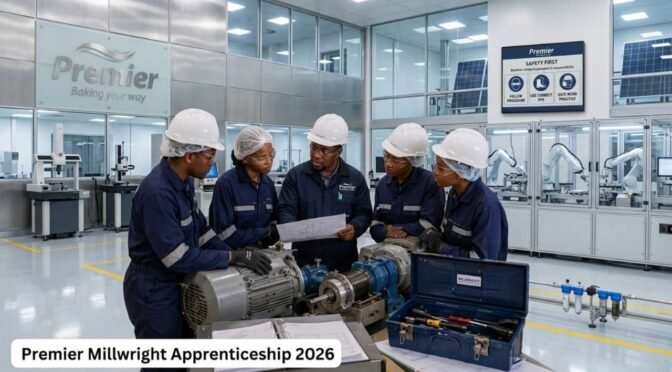
Qualified Millwright artisans looking to advance their careers in South Africa’s manufacturing industry have an excellent opportunity to gain valuable workplace experience through the Premier Millwright Apprenticeship Programme in Bethlehem, Free State. The programme is designed for trade-tested Millwrights who want to expand their knowledge of industrial maintenance, electrical systems, mechanical repairs, and production equipment within a leading Fast-Moving Consumer Goods (FMCG) company.
Working in a modern manufacturing environment provides artisans with practical exposure to high-speed production machinery while developing technical skills that are highly sought after across multiple industries.
Programme Overview
Details
Information
Company
Premier
Programme
Millwright Apprenticeship 2026
Industry
FMCG Manufacturing
Job Type
Apprenticeship / Workplace Learning
Location
Bethlehem, Free State
Employment Type
Full-Time
Programme Duration
Not Specified
Salary
Not Disclosed
About Premier
Premier is one of South Africa’s established manufacturers in the food and consumer goods industry. The company operates several production facilities that manufacture and distribute products across the country. Its operations depend on highly skilled maintenance teams who ensure that machinery operates efficiently, safely, and with minimal downtime.
Through apprenticeship and technical development programmes, Premier continues investing in skilled artisans who support modern manufacturing processes.
Why This Apprenticeship Is Worth Considering
Manufacturing companies rely heavily on qualified Millwrights to keep production equipment operating at peak performance. This apprenticeship allows participants to apply their trade qualifications while gaining practical experience with advanced industrial machinery.
Some benefits of joining the programme include:
Exposure to FMCG manufacturing operations
Practical industrial maintenance experience
Opportunity to work with experienced engineers and technicians
Development of electrical and mechanical troubleshooting skills
Experience with planned and preventative maintenance
Enhanced employability within manufacturing industries
Professional workplace training
Opportunity to strengthen technical competence
Key Responsibilities
Participants may assist maintenance teams in various technical activities across the production plant.
Typical responsibilities include:
Conducting mechanical maintenance
Repairing production equipment
Diagnosing electrical faults
Servicing hydraulic systems
Maintaining pneumatic equipment
Installing machinery components
Performing preventative maintenance
Recording maintenance activities
Supporting production teams
Inspecting machinery for defects
Following maintenance schedules
Maintaining workplace safety standards
Responsibilities may differ depending on operational requirements.
Skills You Will Develop
The apprenticeship focuses on strengthening practical engineering skills that are valuable across manufacturing industries.
Participants may improve their knowledge of:
Mechanical systems
Electrical maintenance
Hydraulic systems
Pneumatic systems
Industrial fault finding
Machine alignment
Equipment commissioning
Preventative maintenance
Industrial safety
Technical reporting
Root cause analysis
Production support
These competencies can support long-term career growth within technical professions.
Minimum Requirements
Applicants should satisfy the advertised qualification requirements before applying.
Generally, candidates should possess:
Grade 12 (Matric)
Red Seal Trade Tested Millwright qualification
N5 qualification
Good technical understanding
Ability to work in a manufacturing environment
Strong communication skills
Teamwork abilities
Willingness to learn
Additional requirements may be communicated during recruitment.
Experience That May Be Advantageous
Applicants with previous industrial maintenance experience may have an advantage.
Relevant experience may include:
FMCG manufacturing
Food production plants
Bottling facilities
Packaging machinery
Conveyor systems
Preventative maintenance
Electrical installations
Safety inspections
Mechanical repairs
Experience with canning or bottling operations may also be beneficial.
Working Environment
Millwright apprentices typically work in busy production facilities where machinery operates continuously. Daily tasks may involve equipment inspections, preventative maintenance, emergency breakdown repairs, and supporting production teams to minimise downtime.
Because manufacturing plants operate under strict safety standards, apprentices are expected to comply with workplace procedures, wear appropriate personal protective equipment (PPE), and follow company policies at all times.
Documents Required
Applicants should prepare the following documents before applying:
Updated Curriculum Vitae (CV)
South African ID document
Grade 12 certificate
Red Seal Trade Certificate
N5 qualification certificate
Driver’s licence (if applicable)
Supporting employment references
Additional certificates relevant to maintenance
Ensure that all documents are clear, complete, and up to date.
How to Apply
Interested candidates should:
Update their CV with recent technical experience.
Highlight their Millwright qualification and trade test.
Prepare all supporting documents.
Apply through Premier’s official recruitment platform.
Monitor email and telephone communications after submitting the application.
Applications submitted early often receive timely consideration before recruitment closes.
Frequently Asked Questions
Is this a paid apprenticeship?
Premier has not publicly disclosed salary or stipend information. Applicants should confirm remuneration during the recruitment process.
Is previous work experience required?
Previous experience within manufacturing environments may strengthen an application, although applicants should carefully review the official vacancy requirements.
Where is the apprenticeship located?
The opportunity is based in Bethlehem, Free State.
What qualification is required?
Applicants should possess a Red Seal Trade Tested Millwright qualification together with an N5 qualification and Grade 12 certificate.
Does completing the apprenticeship guarantee permanent employment?
Participation in the programme does not automatically guarantee permanent employment. However, the practical experience gained can significantly improve future employment opportunities within manufacturing and engineering sectors.
Final Thoughts
The Premier Millwright Apprenticeship 2026 offers qualified artisans an excellent opportunity to gain valuable industrial experience within South Africa’s FMCG manufacturing industry. By working with modern production equipment, maintaining complex machinery, and learning from experienced maintenance professionals, apprentices can strengthen both their technical skills and long-term career prospects.
Candidates who meet the advertised requirements should prepare a professional application, ensure all qualifications are included, and submit their documents through the official Premier recruitment process as early as possible.
Building a Career in Industrial Maintenance
A qualified Millwright plays a vital role in ensuring that production machinery operates efficiently and safely. In manufacturing environments such as FMCG plants, every minute of equipment downtime can affect production targets, making skilled maintenance professionals highly valuable.
The Premier Millwright Apprenticeship gives artisans the opportunity to apply their technical knowledge in a real production environment while learning modern maintenance techniques used in today’s manufacturing industry.
Whether your long-term goal is to become a Senior Millwright, Maintenance Supervisor, or Engineering Technician, this programme provides practical experience that employers across South Africa recognize and value.
Practical Learning Opportunities
During the apprenticeship, participants may gain experience in several technical areas that support daily production operations.
Learning opportunities can include:
Preventative equipment maintenance
Planned maintenance scheduling
Machine fault diagnosis
Mechanical component replacement
Electrical troubleshooting
Hydraulic system servicing
Pneumatic equipment maintenance
Conveyor system repairs
Machine commissioning
Production support activities
Equipment inspections
Technical reporting
Each task helps apprentices strengthen their confidence while working with industrial machinery.
Machinery You May Work With
Depending on the department, apprentices could gain exposure to a wide variety of production equipment, including:
Conveyor systems
Electric motors
Pumps
Gearboxes
Compressors
Hydraulic power units
Pneumatic cylinders
Packaging machines
Mixing equipment
Filling machines
Production line control systems
Industrial sensors
Learning how these systems operate together improves troubleshooting abilities and technical competence.
Importance of Preventative Maintenance
Modern manufacturing companies focus heavily on preventative maintenance because it helps reduce equipment failures and production downtime.
Cleaning equipment according to company procedures
Understanding preventative maintenance is an important skill for every professional Millwright.
Essential Workplace Skills
In addition to technical knowledge, apprentices develop professional skills that are valuable in every engineering environment.
These include:
Communication
Teamwork
Time management
Planning
Problem-solving
Critical thinking
Technical documentation
Workplace discipline
Safety awareness
Attention to detail
Adaptability
Professional ethics
Employers often consider these soft skills just as important as technical ability.
Safety in Manufacturing
Industrial maintenance involves working with heavy machinery, electrical systems, and moving equipment. For this reason, workplace safety remains a top priority.
Apprentices should always:
Wear personal protective equipment (PPE)
Follow lockout and tagout procedures where applicable
Report unsafe conditions immediately
Use approved tools correctly
Follow maintenance instructions
Keep work areas clean
Participate in safety meetings
Comply with company policies
Developing safe working habits protects both employees and equipment.
Interview Preparation Tips
Candidates invited for interviews should prepare by researching both the company and the Millwright profession.
Helpful preparation includes:
Reviewing mechanical principles
Refreshing electrical knowledge
Understanding hydraulic systems
Revising pneumatic components
Practising communication skills
Preparing examples of previous maintenance work
Reviewing your CV carefully
Arriving professionally dressed and on time
Confidence and professionalism create a positive first impression.
Sample Interview Questions
Recruiters may ask questions such as:
Why did you choose the Millwright trade?
Explain your interest in industrial engineering, machinery, and maintenance.
Describe your experience with mechanical repairs.
Provide examples of equipment you have repaired or maintained.
How do you approach fault finding?
Describe your systematic process for identifying and resolving equipment problems.
How do you manage safety while performing maintenance?
Discuss following procedures, using PPE, and complying with workplace safety standards.
Can you work under production pressure?
Explain how you prioritise tasks while maintaining quality and safety.
Tips for Writing a Strong Technical CV
Your CV should immediately demonstrate your technical qualifications.
Include sections such as:
Personal Information
Professional Profile
Trade Qualifications
Work Experience
Technical Skills
Machinery Experience
Computer Skills
Licences
References
Where possible, include measurable achievements, such as reducing equipment downtime or completing preventative maintenance programmes.
Common Application Mistakes
Many technically qualified applicants lose opportunities because of simple mistakes.
Avoid:
Incomplete applications
Missing qualification certificates
Outdated CVs
Incorrect contact information
Generic applications not tailored to the role
Poor spelling or grammar
Late submissions
Review every document carefully before submitting your application.
Future Career Opportunities
After gaining experience through the apprenticeship, qualified artisans may pursue careers including:
Senior Millwright
Maintenance Technician
Plant Maintenance Specialist
Mechanical Technician
Electrical Maintenance Technician
Reliability Technician
Maintenance Planner
Engineering Supervisor
Plant Engineer (with additional qualifications)
Maintenance Manager
The practical skills developed during the apprenticeship are transferable across manufacturing, food processing, mining, logistics, packaging, and industrial engineering sectors.
Final Advice
The Premier Millwright Apprenticeship provides qualified artisans with an excellent opportunity to strengthen their technical skills in a professional FMCG manufacturing environment. Participants gain valuable exposure to industrial maintenance, machinery diagnostics, preventative maintenance, and workplace safety while working alongside experienced professionals.
If you meet the qualification requirements, prepare a detailed CV highlighting your trade certification, technical experience, and maintenance knowledge. Submit your application through the official recruitment process and ensure that all supporting documents are complete and accurate. A well-prepared application, combined with strong technical skills and a commitment to continuous learning, can help you build a successful long-term career in South Africa’s manufacturing and engineering industries.
Why Qualified Millwrights Are in High Demand
Millwrights are among the most versatile artisans in South Africa’s industrial sector. Their ability to install, maintain, troubleshoot, and repair both mechanical and electrical equipment makes them essential in manufacturing plants, food processing facilities, mining operations, packaging companies, and engineering firms.
As manufacturers continue investing in automation and modern production systems, employers increasingly seek qualified artisans who can adapt to new technologies while maintaining high standards of safety and efficiency.
The experience gained through Premier’s apprenticeship programme can help artisans build a solid technical foundation for long-term employment.
Working in an FMCG Manufacturing Environment
The Fast-Moving Consumer Goods (FMCG) industry operates around the clock to meet consumer demand. Production lines often run continuously, meaning machinery must remain reliable and well maintained.
Millwrights working in this environment play an important role by:
Reducing machine downtime
Improving production efficiency
Preventing costly equipment failures
Supporting product quality
Ensuring machinery operates safely
Assisting with equipment upgrades
Responding quickly to breakdowns
Maintaining maintenance records
These responsibilities contribute directly to the success of the manufacturing operation.
Understanding Modern Manufacturing Technology
Today’s production facilities rely on advanced equipment that combines mechanical, electrical, hydraulic, and electronic systems.
Apprentices may become familiar with technologies such as:
Automated production lines
Variable speed drives
Industrial motors
Conveyor automation
Pneumatic control systems
Hydraulic power units
Electrical distribution systems
Industrial sensors
Safety interlocks
Machine control panels
Exposure to these technologies improves an artisan’s technical versatility and future employability.
Continuous Professional Development
Successful Millwrights never stop learning. As technology evolves, continuous skills development becomes increasingly important.
Areas worth exploring include:
Programmable Logic Controllers (PLC)
Industrial automation
Electrical fault diagnostics
Predictive maintenance
Condition monitoring
Energy-efficient maintenance practices
Refrigeration fundamentals
Instrumentation basics
Root cause failure analysis
Engineering project management
Additional training can create opportunities for promotion into senior technical positions.
Professional Qualities That Employers Value
Technical knowledge alone is not always enough to secure long-term career growth.
Employers also appreciate candidates who demonstrate:
Strong work ethic
Reliability
Initiative
Adaptability
Leadership potential
Professional communication
Accountability
Analytical thinking
Positive attitude
Commitment to workplace safety
These qualities often distinguish high-performing artisans from other applicants.
Developing Strong Troubleshooting Skills
One of the most valuable abilities for any Millwright is effective fault finding.
A structured troubleshooting approach generally includes:
Identifying the problem.
Gathering information.
Inspecting equipment.
Testing components safely.
Determining the root cause.
Repairing or replacing faulty parts.
Testing the equipment after repairs.
Recording maintenance activities.
A systematic approach helps reduce downtime while improving maintenance quality.
Building a Strong Professional Reputation
Within the engineering industry, reputation is built through consistent performance.
To establish credibility:
Complete maintenance work accurately.
Meet deadlines whenever possible.
Follow safety procedures.
Treat colleagues respectfully.
Maintain accurate maintenance records.
Take responsibility for assigned tasks.
Continue improving your technical knowledge.
Support team members when required.
A positive reputation often leads to future employment opportunities and career advancement.
Career Progression After the Apprenticeship
Experience gained through the programme can support advancement into roles such as:
Maintenance Artisan
Senior Millwright
Engineering Technician
Maintenance Planner
Plant Maintenance Coordinator
Reliability Technician
Production Support Engineer (with further qualifications)
Maintenance Supervisor
Engineering Foreman
Plant Maintenance Manager
Many experienced Millwrights also pursue opportunities in sectors such as mining, renewable energy, logistics, pharmaceuticals, and heavy manufacturing.
Preparing for Future Opportunities
Even after completing an apprenticeship, artisans should continue strengthening their professional profile.
Helpful career development activities include:
Updating your CV regularly
Recording completed projects
Attending technical workshops
Completing additional certifications
Learning new maintenance software
Improving computer literacy
Developing leadership skills
Expanding professional networks
Continuous improvement makes candidates more competitive in the job market.
Final Application Checklist
Before submitting your application, make sure you have:
An updated CV
Grade 12 certificate
Red Seal Trade Test certificate
N5 qualification certificate
Certified copy of your ID (if requested)
Driver’s licence (where applicable)
Employment references
Supporting technical certificates
Double-check that all information is accurate and easy to read before applying.
Final Thoughts
The Premier Millwright Apprenticeship 2026 provides qualified artisans with an excellent opportunity to strengthen their practical skills while working in one of South Africa’s important FMCG manufacturing environments. Participants gain valuable exposure to industrial maintenance, modern production equipment, safety systems, and preventative maintenance practices that can support long-term career growth.
Whether your ambition is to become a Senior Millwright, Maintenance Supervisor, Engineering Specialist, or Plant Manager, the experience gained through this programme can serve as an important stepping stone. By combining technical expertise with professionalism, continuous learning, and a commitment to quality workmanship, you can position yourself for rewarding opportunities across South Africa’s engineering and manufacturing industries.
Apprentice Carpenter Jobs 2026: If you have hands-on carpentry skills and enjoy working with timber, Euro Decking is offering an exciting temporary employment opportunity for Apprentice Carpenters in Goodwood, Western Cape. The project is ideal for experienced carpenters, timber installers, and individuals looking to strengthen their practical construction experience while earning a competitive daily rate.
Successful candidates will work alongside skilled professionals on timber decking installations, gaining valuable site exposure and improving their craftsmanship in a professional environment.
Opportunity Overview
Euro Decking is recruiting temporary Apprentice Carpenters to assist with timber decking installation projects in Goodwood. The company specializes in high-quality timber decking solutions for residential and commercial clients and is looking for reliable workers who take pride in producing durable and visually appealing timber structures.
Whether you already have decking experience or have worked in general carpentry, this opportunity allows you to expand your skills while working on real construction projects.
Job Summary
Details
Information
Company
Euro Decking
Position
Apprentice Carpenter
Industry
Construction / Carpentry
Employment Type
Temporary Project-Based
Location
Goodwood, Western Cape
Salary
From R400 per day
Work Environment
On-site
Closing Date
Not Specified
About Euro Decking
Euro Decking is known for designing and installing quality timber decking systems that combine durability with attractive finishes. Their projects include outdoor entertainment areas, residential decks, commercial walkways, pool surrounds, and custom timber structures.
Employees working on these projects gain practical knowledge of modern timber construction techniques while working with experienced installers.
Why Consider This Opportunity?
Temporary construction work offers an excellent way to gain industry experience, earn an income, and build a professional portfolio.
Some of the advantages include:
Daily earnings starting from R400
Practical timber decking experience
Exposure to professional construction standards
Opportunity to work with experienced carpenters
Improve technical carpentry skills
Build a stronger employment record
Enhance future job opportunities in construction
Main Responsibilities
Apprentice Carpenters will support the installation and construction of timber decking systems from beginning to completion.
Typical duties may include:
Assisting with timber deck installation
Building support frames and structural components
Measuring and cutting timber accurately
Installing decking boards with proper spacing
Ensuring finished decks remain level and secure
Using hand and power tools safely
Maintaining clean and organized work areas
Following workplace safety procedures
Assisting senior carpenters during construction
Inspecting completed work for quality standards
The exact duties may vary depending on project requirements.
Minimum Requirements
Although formal educational qualifications have not been specified, applicants should possess practical carpentry knowledge and relevant experience.
Suitable candidates should demonstrate:
Experience working with timber decking
Understanding of carpentry tools
Ability to interpret measurements
Good attention to detail
Reliable work ethic
Ability to work independently and within a team
Physical fitness suitable for construction work
Own transport is considered an advantage
Skills That Can Improve Your Application
Employers often value applicants who possess practical workplace skills, including:
Timber cutting
Deck installation
Measuring and marking
Problem-solving
Time management
Communication skills
Teamwork
Safety awareness
Quality workmanship
Construction planning
Applicants with previous construction site experience may have an advantage during the recruitment process.
Salary Information
Successful candidates can earn from R400 per day depending on the project and employer requirements.
Additional benefits have not been announced, so applicants should confirm employment conditions directly with the employer during the recruitment process.
Documents You Should Prepare
Before applying, ensure you have the following documents ready:
Updated Curriculum Vitae (CV)
Certified South African ID (if requested)
Contactable references
Driver’s licence (if applicable)
Portfolio of previous timber decking work
Photographs of completed carpentry projects (optional but recommended)
Having complete documentation can help speed up the recruitment process.
Application Process
Applicants should prepare a professional CV highlighting their carpentry experience and previous timber projects.
After updating your documents:
Gather references from previous employers or clients.
Include photographs of completed decking work where possible.
Submit your application through Euro Decking’s official recruitment channel.
Monitor your phone and email for interview invitations.
Attend any practical assessments if requested.
Because the vacancy is project-based, applications should be submitted as early as possible.
Tips to Increase Your Chances
To stand out from other applicants:
Highlight timber decking experience.
Mention the types of projects completed.
Include measurements, framing, and finishing experience.
Demonstrate knowledge of construction safety.
Keep your CV clear and professional.
Ensure your references can be contacted.
Arrive on time if invited for an interview.
Dress appropriately for practical assessments.
Employers often value reliability as much as technical ability.
Career Opportunities After This Role
Experience gained through this project can support careers such as:
Carpenter
Timber Deck Installer
Construction Worker
Maintenance Carpenter
Site Assistant
Building Technician
Construction Artisan
Residential Carpenter
Commercial Carpenter
Self-employed Carpentry Contractor
Practical experience is highly valued across South Africa’s construction industry.
Frequently Asked Questions
Is this a permanent position?
No. The advertised opportunity is temporary and project-based.
How much will successful applicants earn?
The advertised daily rate starts from R400 per day.
Are formal qualifications required?
No formal qualifications were mentioned, but practical carpentry experience is preferred.
Is previous timber decking experience necessary?
Applicants with timber decking or related carpentry experience are likely to be better suited for the role.
Has the closing date been announced?
No official closing date has been published. Interested candidates are encouraged to apply as soon as possible.
Final Thoughts
The Euro Decking Apprentice Carpenter opportunity provides skilled tradespeople with an excellent chance to gain further experience in timber construction while earning competitive daily pay. Working on professional decking projects can strengthen your practical skills, expand your portfolio, and improve future employment opportunities within South Africa’s construction industry.
If you have experience with timber decking, enjoy hands-on work, and are committed to delivering quality craftsmanship, this temporary project could be an excellent step toward advancing your career.
Why This Opportunity Can Benefit Your Career
The construction industry continues to demand skilled tradespeople who can deliver quality workmanship. While this Euro Decking position is temporary, the practical experience gained can significantly improve your employability.
Working on real timber decking projects allows you to demonstrate your abilities to future employers. Many construction companies value hands-on experience over classroom learning, making this opportunity an excellent addition to your CV.
Project-based employment also helps workers expand their professional network by connecting with experienced carpenters, contractors, and site supervisors who may recommend them for future work.
Skills You Can Develop
Working as an Apprentice Carpenter provides exposure to various technical and workplace skills that remain valuable throughout your career.
These include:
Timber measuring and marking
Deck framing techniques
Timber cutting and fitting
Structural support installation
Safe use of power tools
Hand tool operation
Quality inspection
Construction site safety
Material handling
Team collaboration
Time management
Problem-solving
Communication skills
Attention to detail
Developing these skills can increase your chances of securing higher-paying construction roles in the future.
Tools You May Work With
Depending on the project requirements, Apprentice Carpenters may use a variety of professional carpentry equipment.
Common tools include:
Circular saws
Power drills
Nail guns
Impact drivers
Measuring tapes
Spirit levels
Speed squares
Hammers
Chisels
Clamps
Sanders
Safety equipment
Candidates should always follow workplace safety procedures when operating tools and machinery.
Typical Working Conditions
Construction work is physically demanding and often takes place outdoors. Successful applicants should be prepared to:
Stand for extended periods
Lift construction materials
Work in different weather conditions
Follow strict safety guidelines
Meet project deadlines
Cooperate with supervisors and team members
A positive attitude and willingness to learn are highly valued on construction sites.
How Employers Select Candidates
Recruitment usually focuses on practical ability rather than academic qualifications.
Employers may assess:
Previous carpentry experience
Timber decking knowledge
Reliability
Communication skills
Ability to follow instructions
Physical fitness
References from previous employers
Portfolio of completed work
Applicants who can demonstrate quality workmanship often have a competitive advantage.
Preparing for a Practical Assessment
Some employers may ask candidates to complete a practical skills test before employment.
You may be required to:
Measure timber accurately
Cut decking boards
Demonstrate safe tool handling
Assemble a simple timber frame
Show knowledge of spacing and alignment
Explain your previous carpentry experience
Practising these basic skills beforehand can improve your confidence.
Interview Questions You Might Be Asked
Although interviews vary, recruiters may ask questions such as:
Tell us about your carpentry experience.
Describe the types of projects you’ve completed and the responsibilities you handled.
Why do you want to work with Euro Decking?
Show enthusiasm for timber construction, learning opportunities, and producing quality work.
How do you ensure accurate measurements?
Explain your approach to checking measurements carefully before cutting materials.
How do you maintain workplace safety?
Discuss the importance of protective equipment, safe tool handling, and following site procedures.
Can you work as part of a team?
Provide examples of previous projects where teamwork contributed to successful completion.
Building a Strong Carpentry CV
Your CV should clearly highlight your practical experience.
Include sections such as:
Personal Information
Career Summary
Work Experience
Carpentry Projects
Technical Skills
Equipment Operated
References
Use bullet points and keep your CV easy to read.
Creating a Professional Portfolio
If possible, prepare a simple portfolio showing examples of your work.
Include:
Before and after project photographs
Timber decking installations
Pergolas
Wooden fences
Outdoor structures
Custom carpentry work
A visual portfolio can help employers assess your abilities more quickly.
Workplace Safety Tips
Construction safety should always be a priority.
Remember to:
Wear appropriate PPE
Inspect tools before use
Keep work areas clean
Follow supervisor instructions
Report hazards immediately
Lift materials correctly
Stay hydrated during outdoor work
Safe working habits protect both workers and clients.
Common Application Mistakes
Avoid these common errors:
Sending an outdated CV
Omitting contactable references
Providing poor-quality photographs
Ignoring application instructions
Applying after positions have been filled
Giving incorrect contact information
Taking extra time to review your application can improve your chances of being shortlisted.
Career Progression
After gaining experience, you may pursue roles such as:
Qualified Carpenter
Deck Installation Specialist
Site Foreman
Construction Supervisor
Timber Structure Installer
Maintenance Technician
Building Contractor
Self-Employed Carpenter
Many successful artisans begin with temporary construction opportunities before advancing into permanent positions or starting their own businesses.
Frequently Asked Questions
Is accommodation provided?
The vacancy does not mention accommodation. Applicants should confirm this directly with the employer.
Is transport included?
Transport has not been advertised. Candidates are expected to arrange their own travel unless informed otherwise.
Can beginners apply?
The employer prefers applicants with practical carpentry or timber decking experience, although requirements may vary depending on project needs.
Will there be overtime?
Any overtime arrangements will depend on project schedules and operational requirements.
Is there potential for future work?
Strong performance on temporary projects may improve opportunities for future construction work with the employer or within the industry.
Final Advice
If you have practical carpentry skills, enjoy working with timber, and are looking for short-term employment with competitive daily pay, the Euro Decking Apprentice Carpenter opportunity is worth considering. Submit a professional application, showcase your previous work, and prepare thoroughly for any interview or practical assessment.
Even though the role is temporary, the experience you gain can strengthen your CV, expand your professional network, and open doors to long-term employment in South Africa’s growing construction and timber installation industry.
The Growing Demand for Skilled Carpenters in South Africa
The construction sector remains one of South Africa’s largest employers, with skilled carpenters continuing to play a vital role in residential, commercial, and outdoor building projects. As more homeowners and businesses invest in timber decking, pergolas, outdoor entertainment areas, and landscaping improvements, experienced carpenters are becoming increasingly valuable.
Employers are particularly interested in tradespeople who can combine technical knowledge with quality workmanship, reliability, and the ability to complete projects efficiently.
For individuals entering the industry, temporary projects like this Euro Decking opportunity provide practical experience that can lead to larger and more rewarding construction careers.
Why Timber Decking Is a Valuable Specialisation
Carpentry covers many areas, including roofing, cabinetry, furniture manufacturing, framing, and finishing work. Timber decking, however, has become one of the fastest-growing specialisations due to increasing demand for outdoor living spaces.
Professionals who understand timber decking installation often work on projects such as:
Residential garden decks
Swimming pool surrounds
Rooftop entertainment areas
Restaurant outdoor seating
Hotel and resort walkways
Commercial viewing platforms
Boardwalk construction
Outdoor staircases
Pergolas and timber features
Public recreation areas
Developing expertise in these projects can significantly improve future earning potential.
Qualities Employers Appreciate
Construction companies often hire individuals who demonstrate more than technical ability. Employers also value professionalism and a positive work ethic.
Important qualities include:
Reliability and punctuality
Strong communication
Respect for safety procedures
Ability to work independently
Willingness to learn
Problem-solving skills
Attention to detail
Professional attitude
Flexibility
Commitment to producing quality work
Candidates who consistently display these qualities often receive repeat employment opportunities.
Building Your Reputation in Construction
Unlike many office careers, construction professionals often build their reputation through completed projects and recommendations.
To establish a strong professional reputation:
Deliver consistent workmanship.
Complete tasks within agreed timelines.
Treat clients respectfully.
Keep work areas clean.
Follow safety regulations.
Work well with team members.
Be honest about your experience.
Accept constructive feedback positively.
A good reputation can lead to referrals without the need to search extensively for future work.
Continuing Your Professional Development
Even experienced carpenters benefit from ongoing learning.
Areas worth exploring include:
Advanced timber framing
Outdoor structural design
Composite decking installation
Waterproofing techniques
Construction estimating
Blueprint interpretation
Occupational health and safety
Project supervision
Small business management
Customer service
Continuous learning helps tradespeople remain competitive as industry standards evolve.
Starting Your Own Carpentry Business
Many experienced carpenters eventually choose self-employment after gaining sufficient practical experience.
Operating your own carpentry business may involve:
Quoting for projects
Purchasing materials
Managing client relationships
Scheduling work
Supervising assistants
Marketing services
Maintaining equipment
Managing finances
Ensuring legal compliance
Building a loyal customer base
Entrepreneurship requires commitment, but it can also provide greater independence and income potential.
How to Maintain Your Carpentry Tools
Proper tool maintenance improves safety, efficiency, and the lifespan of equipment.
Best practices include:
Cleaning tools after every project
Sharpening blades regularly
Inspecting power cords
Lubricating moving parts
Storing equipment safely
Replacing damaged components
Charging batteries correctly
Using protective cases during transport
Well-maintained tools also produce cleaner and more accurate workmanship.
Common Challenges on Construction Sites
Construction work can present various challenges, including:
Tight project deadlines
Weather disruptions
Material shortages
Uneven ground conditions
Unexpected design changes
Heavy lifting
Long working hours
Working at heights
Equipment breakdowns
Client modifications
Successful carpenters remain adaptable and focus on finding practical solutions.
Networking Within the Industry
Building professional relationships is one of the most effective ways to discover future employment opportunities.
You can expand your network by:
Working professionally on every project
Keeping in touch with supervisors
Connecting with suppliers
Joining construction industry groups
Attending trade exhibitions
Participating in artisan workshops
Sharing completed projects professionally
Many construction jobs are filled through recommendations before being publicly advertised.
Future Career Opportunities
Experience gained from timber decking projects can open doors to various careers, including:
Senior Carpenter
Decking Installation Supervisor
Construction Site Supervisor
Building Inspector (with further qualifications)
Shopfitting Specialist
Timber Structure Consultant
Property Maintenance Manager
Facilities Maintenance Technician
Construction Project Coordinator
Independent Contractor
Each additional project strengthens both practical experience and professional credibility.
Final Checklist Before Applying
Before submitting your application, ensure you have:
An updated CV
Correct contact details
Contactable references
Photos of previous carpentry work (if available)
A professional attitude
Reliable transport arrangements
Copies of any relevant certificates
A portfolio showcasing completed projects
Reviewing your application carefully before submission demonstrates attention to detail.
Final Thoughts
The Euro Decking Apprentice Carpenter opportunity offers more than short-term employment—it provides a chance to develop practical construction experience, enhance technical carpentry skills, and build a strong foundation for long-term success in the building industry. Whether your goal is to secure permanent employment, specialise in timber decking, or eventually operate your own carpentry business, every completed project contributes to your professional growth.
Applicants who combine practical experience with reliability, professionalism, and a willingness to learn are often well positioned for future opportunities across South Africa’s expanding construction sector. By preparing a strong application, presenting your previous work effectively, and demonstrating quality craftsmanship, you can maximise the value of this opportunity and take another important step in your carpentry career.
The Road Accident Fund (RAF) Medical Management Internship Programme 2026 is an excellent opportunity for unemployed South African graduates who want to gain valuable workplace experience in the public sector. This 12-month internship is designed to equip young graduates with practical knowledge in medical administration, stakeholder communication, claims support, information management, and office operations.
Graduates who successfully join the programme receive structured workplace training under experienced professionals while earning a monthly stipend. The internship provides an ideal foundation for careers in healthcare administration, medico-legal support, claims management, and public service administration.
Internship Overview
Details
Information
Organisation
Road Accident Fund (RAF)
Programme
Medical Management Internship 2026
Job Type
Graduate Internship
Duration
12 Months
Location
Centurion, Gauteng
Work Mode
Full-Time On-site
Stipend
Monthly Stipend Provided
Category
Government Internship
About the Road Accident Fund
The Road Accident Fund (RAF) is a South African public institution responsible for providing compensation to individuals injured in road accidents or to the families of people who lose their lives in motor vehicle accidents. Besides handling compensation claims, RAF also promotes road safety awareness and supports initiatives aimed at reducing road accident fatalities across the country.
Every year RAF offers internship opportunities to unemployed graduates to help them gain practical workplace experience while developing professional skills required in the public sector.
Why Apply for the RAF Internship?
This internship offers much more than administrative work. Successful applicants gain exposure to real government operations while learning how medical management supports claims processing and public service delivery.
Some of the major benefits include:
Paid monthly stipend
Twelve months of structured workplace training
Practical medical administration experience
Exposure to medico-legal processes
Government work experience
Professional mentoring
Development of communication and office skills
Improved employment opportunities after completion
Who Can Apply?
The internship is intended for unemployed graduates who meet the programme requirements.
Applicants should generally:
Be South African citizens
Be unemployed
Meet the required age criteria
Hold the required qualification
Be available for the full internship period
Have excellent communication skills
Be willing to work in Centurion
Not have completed a similar internship programme previously
Meeting the minimum requirements does not automatically guarantee selection.
Required Qualifications
Applicants should possess one of the following qualifications:
Diploma in Health Sciences
Degree in Health Sciences
Business Administration qualification
Business Management qualification
Legal qualification
Other relevant qualification related to medical administration
A certified Grade 12 certificate is also required as part of the application.
Required Documents
Before applying, prepare clear certified copies of the following documents:
South African ID
Grade 12 Certificate
Academic Transcript
Degree or Diploma Certificate (if available)
Updated Curriculum Vitae (CV)
Motivation Letter
Any additional documents requested in the official advertisement
Submitting incomplete documentation may result in disqualification.
Key Responsibilities
Interns may assist the Medical Management team with various operational duties throughout the internship.
Typical responsibilities include:
Supporting medical case administration
Updating databases
Capturing and verifying information
Assisting with medical documentation
Preparing reports
Managing office records
Responding to stakeholder enquiries
Coordinating meetings
Filing important documents
Assisting with logistics
Maintaining information systems
Supporting daily administrative activities
The exact duties may vary depending on operational requirements.
Skills You Can Develop
The programme helps graduates strengthen both technical and professional skills.
These include:
Administrative skills
Medical documentation
Record management
Data capturing
Microsoft Office
Professional communication
Time management
Teamwork
Report writing
Customer service
Problem-solving
Information management
Organisational skills
These transferable skills remain valuable even after completing the internship.
Working Environment
Interns work alongside experienced professionals within the Medical Management division. Daily activities may include handling documentation, preparing reports, responding to enquiries, attending meetings, organising records, and supporting ongoing operational projects.
The working environment encourages learning, collaboration, professionalism, and continuous improvement.
Career Benefits
Completing the RAF internship can significantly strengthen a graduate’s CV.
After the programme, participants may pursue careers such as:
Medical Administrator
Healthcare Administrator
Claims Administrator
Hospital Administrator
Legal Administrative Assistant
Public Service Officer
Information Officer
Records Administrator
Customer Relations Officer
Case Management Assistant
Many employers value candidates with government workplace experience.
Selection Process
Although recruitment processes may differ, applicants can generally expect the following stages:
Document Screening
Applications are checked to ensure all required documents have been submitted.
Shortlisting
Only applicants who meet the minimum requirements proceed to the next stage.
Interview
Shortlisted candidates may attend interviews where communication skills, motivation, teamwork, and professional behaviour are assessed.
Verification
Educational qualifications and supporting documents may be verified before appointment.
Security Checks
Successful applicants may undergo background verification according to organisational requirements.
Tips for a Strong Application
To improve your chances of being shortlisted:
Keep your CV professional and updated.
Tailor your motivation letter to the internship.
Highlight academic achievements.
Mention volunteer experience if applicable.
Demonstrate strong communication skills.
Explain your career goals clearly.
Proofread all documents before submission.
Ensure every required document is certified where necessary.
Follow every instruction in the official advertisement.
A well-prepared application creates a strong first impression.
Common Mistakes to Avoid
Many applicants lose opportunities because of avoidable mistakes.
Avoid:
Submitting incomplete applications
Missing certified documents
Uploading poor-quality scans
Using generic motivation letters
Providing outdated contact information
Applying after the closing date
Ignoring application instructions
Including incorrect information
Attention to detail can make a significant difference.
Who Should Consider This Internship?
This opportunity is suitable for graduates who are interested in:
Healthcare administration
Medical management
Public administration
Government careers
Claims management
Legal administration
Hospital administration
Information management
Customer relations
Office administration
Applicants who enjoy working with people, documents, and organised systems may find this internship especially rewarding.
How to Prepare Before Applying
Before submitting your application:
Update your CV.
Prepare a customised motivation letter.
Collect all certified documents.
Review the eligibility requirements.
Double-check application instructions.
Save copies of everything you submit.
Apply before the deadline.
Good preparation helps reduce application errors.
Frequently Asked Questions
Is the internship paid?
Yes. Successful interns receive a monthly stipend during the programme.
How long is the internship?
The internship normally runs for twelve months.
Do I need work experience?
No. The programme is intended to provide practical workplace experience to graduates.
Can graduates from different fields apply?
Applicants should possess qualifications that match the advertised requirements.
Will completing the internship guarantee permanent employment?
No. Completion of the internship does not guarantee permanent employment, but it significantly improves future career prospects.
Final Thoughts
The Road Accident Fund Medical Management Internship 2026 provides graduates with an outstanding opportunity to gain meaningful workplace experience in one of South Africa’s important public institutions. Participants develop practical administrative skills, learn professional workplace standards, and build valuable experience that can open doors to future employment in healthcare, government, insurance, legal administration, and related industries.
Graduates who meet the eligibility requirements should prepare their documents carefully, submit a professional application, and ensure every instruction is followed correctly. A strong application, combined with genuine motivation and attention to detail, can greatly improve the chances of securing this valuable internship opportunity.
What Makes This Internship Valuable?
The RAF Medical Management Internship is more than just a 12-month training programme. It provides graduates with practical exposure to public sector operations, medical administration, claims support, stakeholder communication, and office management. This type of experience is highly valued by employers because interns learn how to work in a structured professional environment while handling real administrative responsibilities.
Unlike classroom learning, the internship allows graduates to apply their academic knowledge to everyday workplace situations. Participants also develop confidence, professionalism, and workplace discipline that can benefit them throughout their careers.
Career Growth After Completing the Internship
Completing the internship can improve your chances of securing permanent employment in both the public and private sectors. Employers often prefer candidates who already have workplace experience, even if it comes through an internship.
Possible career opportunities include:
Medical Administration Officer
Claims Administrator
Hospital Administrative Assistant
Healthcare Support Officer
Legal Administrative Assistant
Public Service Administrator
Records Management Officer
Information Management Officer
Client Relations Officer
Case Management Assistant
Medical Office Coordinator
Healthcare Operations Assistant
The experience gained can also help graduates qualify for more advanced graduate programmes and entry-level professional positions.
Workplace Skills You Will Build
Throughout the internship, participants may strengthen several essential workplace skills, including:
Professional communication
Team collaboration
Customer service
Administrative planning
Report preparation
Time management
Computer literacy
Information management
Record keeping
Data capturing
Problem-solving
Organisational skills
Workplace ethics
Attention to detail
These transferable skills are useful across many industries.
Software and Office Tools You May Use
Depending on your department, interns may work with:
Microsoft Word
Microsoft Excel
Microsoft Outlook
Microsoft PowerPoint
Electronic filing systems
Internal document management systems
Database software
Digital communication platforms
Basic computer knowledge can make workplace tasks easier.
How Recruiters Usually Evaluate Applications
Recruiters generally assess several important factors during the shortlisting process.
Academic Qualifications
Applicants must meet the required educational requirements stated in the vacancy advertisement.
Relevant Skills
Recruiters often look for communication skills, computer literacy, administrative ability, and willingness to learn.
Motivation
A strong motivation letter explaining why you want to join the internship can strengthen your application.
Professional Presentation
A neat CV, correctly certified documents, and a complete application demonstrate professionalism and attention to detail.
Interview Preparation Tips
Candidates invited for interviews should prepare thoroughly.
Before attending an interview:
Research the Road Accident Fund.
Understand the internship responsibilities.
Practice introducing yourself confidently.
Prepare examples of teamwork and leadership experiences.
Review your CV carefully.
Dress professionally.
Arrive early.
Carry copies of your documents if requested.
Good preparation increases confidence during interviews.
Sample Interview Questions
Recruiters may ask questions such as:
Tell us about yourself.
Focus on your education, career goals, and interest in medical management.
Why do you want to join the Road Accident Fund?
Explain your interest in public service, healthcare administration, and professional development.
How do you handle pressure?
Describe a situation where you remained organised while meeting deadlines.
What are your strengths?
Mention qualities such as organisation, communication, teamwork, adaptability, and willingness to learn.
What computer programs are you familiar with?
Mention Microsoft Office applications and any relevant software you have used.
How to Write a Strong Motivation Letter
A good motivation letter should include:
Introduction
Introduce yourself and mention the internship you are applying for.
Education
Briefly explain your qualification and how it relates to the position.
Skills
Highlight your strongest skills, such as communication, organisation, computer literacy, and teamwork.
Career Goals
Explain how the internship aligns with your future career ambitions.
Closing
Thank the recruiter for considering your application and express your enthusiasm for the opportunity.
Keep the letter clear, professional, and focused on the role.
CV Writing Tips
A professional CV should include:
Personal Information
Career Objective
Educational Qualifications
Work Experience (if any)
Volunteer Experience
Skills
Computer Skills
Languages
References
Use a clean layout and avoid unnecessary graphics or lengthy paragraphs.
Professional Behaviour During the Internship
Successful interns are usually those who:
Arrive on time.
Meet deadlines.
Communicate respectfully.
Ask questions when unsure.
Take initiative.
Accept feedback positively.
Work well with colleagues.
Maintain confidentiality.
Follow organisational policies.
Demonstrate professionalism every day.
These habits create a positive impression and support long-term career growth.
Common Reasons Applications Are Rejected
Applicants may be unsuccessful because of:
Missing required documents
Incorrect application information
Failure to meet eligibility requirements
Poorly written CV
Generic motivation letter
Applying after the closing date
Unclear document scans
Failure to follow application instructions
Review your application carefully before submission.
Additional Career Development Tips
Graduates should continue improving their employability while waiting for internship opportunities.
Helpful activities include:
Completing free online courses
Improving Microsoft Office skills
Learning professional email etiquette
Practising interview techniques
Building communication skills
Participating in volunteer work
Attending career workshops
Expanding professional networks
Continuous learning makes candidates more competitive.
Frequently Asked Questions
Can final-year students apply?
Applicants should check the official advertisement to confirm whether final-year students are eligible or whether completed qualifications are required.
Is previous work experience required?
Most graduate internships are designed for applicants with little or no professional experience.
Is there an age requirement?
Applicants should carefully review the official eligibility criteria before applying.
Can I apply for more than one internship?
If multiple vacancies are advertised, follow the application instructions provided for each position.
Will I receive workplace training?
Yes. Interns typically receive structured workplace learning, mentoring, and practical experience throughout the programme.
Final Advice
The Road Accident Fund Medical Management Internship offers graduates an excellent opportunity to gain practical experience, strengthen professional skills, and prepare for long-term career success. A carefully prepared application, supported by a professional CV, a tailored motivation letter, and complete supporting documents, can significantly improve your chances of being shortlisted.
Always read the official vacancy advertisement carefully, ensure that you meet all eligibility requirements, and submit your application before the closing date. Careful preparation and attention to detail can make a lasting impression on recruiters and help you begin a rewarding professional journey in healthcare administration and public service.