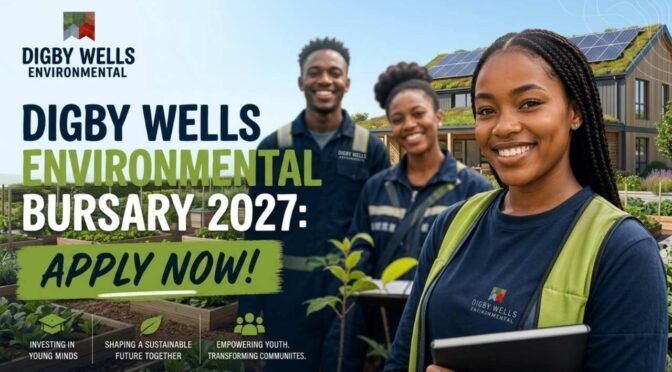
Students who are passionate about protecting the environment and building a career in sustainability can consider applying for the Digby Wells Environmental Bursary Programme 2027. The bursary is aimed at South African students pursuing qualifications in environmental and social science disciplines that contribute to responsible development and environmental stewardship.
As industries place greater emphasis on environmental compliance, sustainable resource management, and community engagement, professionals with specialised environmental knowledge continue to be in demand. This bursary not only assists students financially but may also provide opportunities for workplace exposure and future career development.
Quick Overview
| Category | Details |
|---|---|
| Bursary Provider | Digby Wells Environmental |
| Programme | Digby Wells Environmental Bursary 2027 |
| Study Level | Undergraduate and eligible tertiary studies |
| Study Location | South Africa |
| Funding Type | Tuition and study support |
| Closing Date | Not specified |
| Application Method | Official Digby Wells application platform |
About Digby Wells Environmental
Digby Wells Environmental is a South African environmental and social consulting company that works with organisations in sectors such as mining, energy, infrastructure, and development. The company provides consulting services that help clients meet environmental regulations while promoting sustainable development and responsible resource management.
The bursary programme reflects the organisation’s commitment to developing future professionals who can contribute to environmental protection and sustainable economic growth.
Why This Bursary Is Worth Applying For
Environmental careers continue to expand as governments and businesses adopt stronger sustainability practices. Skilled professionals are needed to manage natural resources, conduct environmental assessments, engage with communities, and support responsible development projects.
The Digby Wells Environmental Bursary helps students prepare for these careers by reducing some of the financial barriers associated with tertiary education.
Fields of Study Supported
Applicants enrolled in environmental-related qualifications may be considered in areas including:
- Aquatic Ecology
- Community Development
- Environmental Management
- Environmental Science
- Geographical Information Systems (GIS)
- Hydrogeology
- Hydrology
- Social Sciences
- Sociology
- Stakeholder Engagement
Applicants should confirm eligible qualifications through the official bursary guidelines before applying.
What the Bursary May Cover
Depending on the bursary award and funding available, successful applicants may receive support for:
- Tuition fees
- Prescribed textbooks
- Laptop assistance
- Approved academic expenses
The level of financial assistance may differ between recipients.
Additional Development Opportunities
Besides financial assistance, selected bursary recipients may also benefit from opportunities such as:
- Vacation work during university holidays
- Practical workplace exposure
- Mentorship from experienced professionals
- Networking opportunities within the environmental sector
- Potential graduate employment opportunities, subject to organisational requirements and bursary conditions
These experiences can help students transition more confidently into professional careers.
Eligibility Requirements
Applicants should generally meet the following requirements:
- Be a South African citizen.
- Be completing Matric or have already completed Matric.
- Plan to study or currently study full-time at a recognised tertiary institution.
- Demonstrate good academic performance.
- Show genuine interest in environmental sustainability.
- Display responsibility, commitment, and a willingness to contribute positively to society.
Meeting the minimum requirements does not guarantee selection, as bursaries are often highly competitive.
Documents You May Need
Applicants should prepare clear and complete supporting documents before beginning the application.
Typical documents include:
- Certified copy of South African ID
- Matric certificate or latest school results
- Academic transcripts (if already studying)
- Proof of university acceptance or registration
- Updated Curriculum Vitae (CV)
- Motivation letter
Ensure that all documents are legible and submitted in the required format.
How to Apply
To submit an application:
- Gather all required supporting documents.
- Update your CV with your academic achievements and extracurricular activities.
- Write a personalised motivation letter explaining your interest in environmental studies.
- Visit the official Digby Wells Environmental application platform.
- Complete the online application form.
- Upload all supporting documents.
- Review your application carefully before submitting.
Because no official closing date has been published, early submission is strongly recommended.
Tips for a Strong Motivation Letter
Your motivation letter should explain more than your need for financial assistance.
Consider including:
- Why you selected your field of study.
- The environmental challenges that inspire you.
- Your long-term career aspirations.
- How the bursary will help you achieve your goals.
- The positive contribution you hope to make to South Africa.
Writing a thoughtful and genuine motivation letter can strengthen your application.
Common Application Mistakes
Applicants should avoid:
- Submitting incomplete applications.
- Forgetting certified documents.
- Uploading poor-quality scans.
- Using generic motivation letters.
- Providing outdated contact information.
- Waiting until the last minute to apply.
Taking time to review your application before submission can help prevent unnecessary errors.
Frequently Asked Questions
Who can apply?
South African students who meet the bursary requirements and are studying approved environmental-related qualifications.
Does the bursary pay for all study costs?
Funding may include tuition, books, and other approved study-related expenses. The exact level of support depends on the bursary award.
Are internship opportunities available?
Eligible bursary recipients may have opportunities for vacation work or workplace experience, subject to organisational requirements.
Is employment guaranteed after graduation?
Future employment opportunities may be available, but they are generally subject to organisational needs, individual performance, and the terms of the bursary agreement.
Final Thoughts
The Digby Wells Environmental Bursary 2027 offers aspiring environmental professionals an opportunity to receive financial assistance while preparing for careers that contribute to sustainable development and environmental management. Students with strong academic records, a clear commitment to environmental responsibility, and well-prepared applications may improve their chances of selection.
If you meet the eligibility requirements, begin preparing your documents early, write a focused motivation letter, and apply through the official Digby Wells Environmental application platform as soon as possible.
Why Environmental Bursaries Are Becoming More Important
South Africa faces growing environmental challenges, including water security, biodiversity conservation, responsible mining, renewable energy development, and climate resilience. As a result, organisations are investing in students who can develop the technical and professional skills needed to address these issues.
The Digby Wells Environmental Bursary aims to support students who demonstrate both academic potential and a genuine commitment to environmental sustainability. By investing in future professionals, the programme contributes to building a skilled workforce capable of supporting responsible development across various industries.
What the Selection Committee May Consider
Meeting the minimum eligibility requirements is only the first step. During the assessment process, reviewers may evaluate several aspects of an application to identify candidates with strong long-term potential.
Areas that may be considered include:
- Academic performance
- Commitment to environmental sustainability
- Leadership potential
- Community involvement
- Communication skills
- Quality of the motivation letter
- Career goals
- Completeness of the application
- Supporting documentation
- Overall professionalism
Applicants who submit organised, thoughtful applications often make a stronger impression than those who submit incomplete or generic documents.
Writing a Strong Motivation Letter
The motivation letter is your opportunity to explain who you are beyond your academic results. It should clearly connect your educational goals with your interest in environmental sustainability.
A well-structured motivation letter can include:
Introduce Yourself
Briefly explain your educational background and the qualification you intend to pursue.
Explain Your Passion
Describe what inspired your interest in environmental studies. This could include personal experiences, school projects, community activities, or exposure to environmental issues.
Connect Your Career Goals
Explain how your chosen field will allow you to contribute to sustainable development, environmental protection, or community wellbeing.
Highlight Your Strengths
Mention achievements that demonstrate dedication, leadership, teamwork, or academic excellence.
End Professionally
Thank the selection committee for considering your application and express your enthusiasm for contributing positively to the environmental sector.
Keep your writing clear, sincere, and focused on your own experiences and aspirations.
Building a Professional Student CV
Even if you have limited work experience, your CV can still demonstrate your potential.
Consider including:
- Personal details
- Career objective
- Educational background
- Academic achievements
- Leadership roles
- Volunteer experience
- Extracurricular activities
- Computer skills
- Languages
- Referees
A neat, well-organised CV helps reviewers quickly understand your qualifications and strengths.
Why Community Involvement Matters
Many bursary providers appreciate applicants who have contributed positively to their communities.
Examples of relevant activities include:
- Environmental clean-up campaigns
- Recycling initiatives
- School environmental clubs
- Tree-planting projects
- Water conservation campaigns
- Community education programmes
- Volunteer work
- Youth leadership activities
Participation in these initiatives demonstrates responsibility and a genuine interest in creating positive change.
Skills That Environmental Employers Value
Besides academic qualifications, employers often look for transferable skills that support workplace success.
Important skills include:
- Communication
- Critical thinking
- Teamwork
- Research ability
- Problem-solving
- Time management
- Adaptability
- Data analysis
- Report writing
- Digital literacy
- Ethical decision-making
- Project planning
Developing these competencies during your studies can improve future employment prospects.
Preparing Your Documents
Before uploading your application, check that every document is complete and easy to read.
Review the following:
- Certified ID copy
- Matric certificate or latest results
- Academic transcripts
- University acceptance letter
- Updated CV
- Motivation letter
Rename files clearly and ensure they meet any size or format requirements specified by the application system.
Common Reasons Applications Are Unsuccessful
Many capable students miss opportunities because of avoidable mistakes.
These may include:
- Missing documents
- Generic motivation letters
- Incorrect contact details
- Poor-quality scanned documents
- Failure to follow application instructions
- Applying after the closing period
- Providing incomplete academic information
Review your application carefully before submitting it to reduce the risk of errors.
Career Opportunities After Graduation
Graduates in environmental disciplines can pursue careers in a variety of sectors, including government, consulting, conservation, mining, infrastructure, and research.
Potential career paths include:
- Environmental Consultant
- Environmental Officer
- GIS Specialist
- Hydrologist
- Hydrogeologist
- Environmental Scientist
- Sustainability Advisor
- Community Development Practitioner
- Social Performance Specialist
- Conservation Officer
- Environmental Compliance Officer
- Stakeholder Engagement Coordinator
Many of these roles contribute directly to sustainable development and environmental protection.
Frequently Asked Questions
Can first-year university students apply?
Students should review the official eligibility requirements to determine whether their current level of study is eligible.
Does the bursary guarantee employment?
Some recipients may receive opportunities for vacation work or graduate employment, depending on organisational requirements and the terms of the bursary agreement.
Is academic performance important?
Yes. Strong academic results generally strengthen an application, particularly when combined with a clear commitment to environmental sustainability.
Should I apply if I am still waiting for university acceptance?
Applicants should follow the official application guidelines regarding proof of admission or pending acceptance.
When should I submit my application?
Because no official closing date has been announced, applicants are encouraged to apply as early as possible after preparing all required documents.
Final Advice
The Digby Wells Environmental Bursary is an excellent opportunity for students who want to combine academic achievement with a meaningful career in environmental sustainability. Preparing a complete application, writing a personalised motivation letter, and demonstrating genuine commitment to environmental issues can strengthen your chances of success.
Begin gathering your documents early, present your achievements clearly, and ensure every part of your application reflects your interest in contributing to a more sustainable South Africa. A well-prepared application can help you take an important step toward a rewarding career in the environmental sector.
Preparing for Success Beyond the Bursary
Receiving financial support through the Digby Wells Environmental Bursary is an important milestone, but long-term success depends on how students use the opportunities available during their studies. Employers in the environmental sector look for graduates who combine academic knowledge with practical skills, professionalism, and a commitment to sustainable development.
Whether your goal is to work in environmental consulting, conservation, water management, community development, or sustainability, your university years provide the foundation for building a successful career.
The Growing Demand for Environmental Professionals
Environmental challenges continue to influence how governments, businesses, and communities operate. Organisations increasingly require specialists who understand environmental legislation, resource management, climate adaptation, and sustainable development.
Graduates with environmental qualifications may find opportunities in sectors such as:
- Environmental consulting
- Mining and minerals
- Renewable energy
- Water resource management
- Agriculture
- Infrastructure development
- Conservation organisations
- Government departments
- Research institutions
- International development agencies
As environmental regulations continue to evolve, professionals with specialised knowledge remain valuable across both the public and private sectors.
Making the Most of Your University Experience
Academic success involves more than attending lectures and passing examinations.
Students can strengthen their professional profiles by:
- Participating in environmental research projects
- Joining university environmental societies
- Attending public lectures and seminars
- Taking part in fieldwork opportunities
- Volunteering for conservation initiatives
- Developing technical software skills
- Building professional networks
- Seeking mentorship from lecturers
These activities help students gain experience that complements their academic qualifications.
Technical Skills Worth Developing
Many environmental careers require both scientific knowledge and technical competence.
Useful skills include:
- Environmental data collection
- Geographic Information Systems (GIS)
- Spatial mapping
- Environmental monitoring
- Report writing
- Data interpretation
- Water quality assessment
- Environmental impact assessment principles
- Basic statistical analysis
- Microsoft Office proficiency
- Presentation skills
- Technical communication
Building these competencies during your studies can improve employability after graduation.
Professional Skills Employers Appreciate
Alongside technical expertise, employers often look for graduates who demonstrate strong workplace behaviours.
Important qualities include:
- Professional communication
- Teamwork
- Critical thinking
- Ethical decision-making
- Adaptability
- Time management
- Leadership potential
- Initiative
- Problem-solving
- Attention to detail
- Organisational skills
- Accountability
These transferable skills are valuable across many industries and career paths.
Gaining Practical Experience
Hands-on experience helps students apply classroom knowledge to real-world situations.
Practical learning opportunities may include:
- Vacation work
- Internships
- Field surveys
- Community engagement projects
- Research assistant roles
- Laboratory work
- Environmental monitoring activities
- Industry site visits
Such experiences can strengthen your CV and help you develop confidence before entering full-time employment.
Building a Professional Network
Networking plays an important role in career development.
Students can expand their professional connections by:
- Attending industry conferences
- Participating in university career events
- Joining professional environmental associations
- Connecting with alumni
- Engaging with guest speakers
- Participating in research collaborations
- Maintaining relationships with supervisors and mentors
Professional networks can provide valuable advice, mentorship, and information about future opportunities.
Preparing for Graduate Employment
As you approach graduation, begin preparing for the transition into the workplace.
Helpful steps include:
- Updating your CV regularly
- Creating a professional LinkedIn profile
- Organising academic certificates
- Recording research and project experience
- Collecting references from lecturers or supervisors
- Practising interview skills
- Monitoring graduate recruitment programmes
Early preparation can make the job search more manageable after completing your studies.
Possible Career Pathways
Graduates supported through environmental bursaries may pursue careers including:
- Environmental Consultant
- Sustainability Specialist
- Environmental Compliance Officer
- GIS Analyst
- Hydrologist
- Hydrogeologist
- Ecologist
- Environmental Scientist
- Community Development Practitioner
- Social Performance Advisor
- Conservation Project Officer
- Environmental Policy Analyst
- Climate Change Specialist
- Natural Resource Manager
- Research Officer
Career progression will depend on qualifications, experience, and ongoing professional development.
Continuing Professional Development
Learning should continue after graduation.
Graduates can strengthen their careers by:
- Completing postgraduate qualifications
- Attending professional training courses
- Obtaining industry certifications
- Participating in environmental workshops
- Reading current environmental research
- Learning new digital tools
- Expanding project management skills
- Improving public speaking and communication
Continuous learning helps professionals remain competitive in a rapidly changing industry.
Common Challenges for New Graduates
Starting a career in the environmental sector can present several challenges.
These may include:
- Building practical experience
- Adapting to workplace expectations
- Managing multiple projects
- Working in remote field locations
- Keeping up with environmental legislation
- Learning new technologies
- Communicating technical information to non-specialists
Approaching these challenges with curiosity and a willingness to learn can support long-term professional growth.
Final Application Checklist
Before submitting your bursary application, confirm that you have:
- Completed the official application form
- Included a certified copy of your South African ID
- Attached your Matric certificate or latest academic results
- Uploaded your academic transcripts (if applicable)
- Added proof of university acceptance or registration
- Updated your CV with current information
- Written a personalised motivation letter
- Checked that all documents are clear and complete
Review your application one final time before submission to ensure nothing has been overlooked.
Final Thoughts
The Digby Wells Environmental Bursary 2027 offers aspiring environmental professionals an opportunity to invest in their education while preparing for careers that contribute to sustainable development and responsible environmental management. Financial support, combined with potential workplace exposure and professional development opportunities, can help students build a strong foundation for the future.
Applicants who demonstrate academic dedication, a genuine passion for environmental sustainability, and a clear vision for their future are likely to present stronger applications. By preparing early, following the official application requirements carefully, and submitting a complete application, you can improve your chances of being considered for this valuable bursary opportunity.